Roses in Containers: Build the Root Zone First
Choose a substantial container, build a suitable root environment, and plan watering, feeding, and pruning for a rose grown in a pot.
Updated
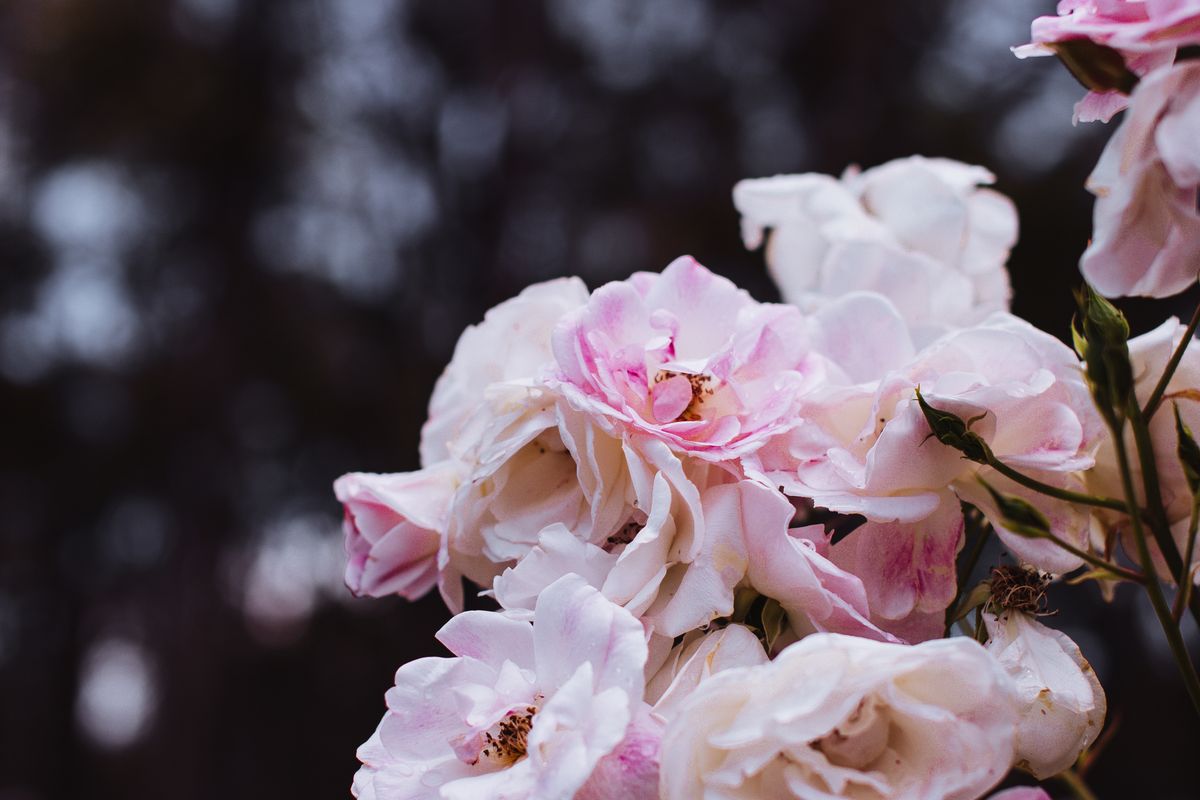
Use a suitable loam-based or equivalent rose-friendly potting medium. Water thoroughly during active growth and feed according to the product and variety guidance.
Choose a rose that belongs in a container
A compact rose suited to pot culture is a better starting point than a large vigorous variety selected only for flower color. Read the mature size, growth habit and local hardiness information. A climbing rose needs a support and root space that a small patio pot cannot quietly provide.
Consider repeat flowering, fragrance and disease resistance alongside appearance. A plant that performs reliably in your climate is easier to enjoy than one requiring constant intervention. Keep the cultivar label so pruning and care can be checked against the actual plant rather than a generic rose rule.
Give the roots substantial but appropriate room
Container roses need a stable pot with enough root space and open drainage. A very small pot can alternate rapidly between drought and saturation. Choose according to the rose’s expected size and reliable local guidance rather than matching the container only to the current shop display.
Use a suitable durable material and consider the watered weight before filling. A large pot may be difficult to move once planted, so choose its location first. Protect the surface beneath it and keep access for inspecting drainage. Stability matters when wind catches a full canopy of leaves and flowers.
Sun and air are part of the planting plan
Most roses need a sunny position to flower well, but local heat can affect how a container performs. Observe the site over a day and note reflected heat from walls, drying wind and any deep shade. The pot’s root environment can heat differently from an in-ground bed.
Leave space around the canopy for air movement and routine care. A rose wedged against a wall may be difficult to inspect and can develop an uneven shape as it reaches for light. Allow a safe route past thorny stems, especially on small patios and balconies.
Use a mix intended for long-term container growth
Choose a suitable rose-friendly potting medium with enough structure to support the plant and retain useful moisture while draining. A long-lived shrub has different needs from a short summer seed tray. Follow reputable product or regional horticultural guidance.
Avoid packing the mix hard around the root ball. Set the plant according to guidance for its type and growing region, taking graft placement into account where relevant. Water in carefully and check that the container drains. If you are unsure about planting depth, consult the supplier’s instructions rather than copying a photograph from another climate.
Check moisture where the roots are
During active growth, a container rose may use water quickly, particularly in hot wind. Check below the surface and inspect the original root ball as well as surrounding mix. A brief shower may wet the leaves while contributing little to the pot.
Water thoroughly when needed and allow excess to leave. Avoid a pattern of tiny splashes that moistens only one section. Do not leave the pot standing permanently in water. If foliage wilts while the mix is already wet, investigate root conditions and heat rather than automatically adding another drink.
Feed active growth according to the label
A flowering rose in a container depends on the limited root environment for nutrients. Use a suitable fertilizer following the product directions and the plant’s seasonal needs. Do not combine several products simply because each promises more flowers.
Avoid feeding a severely dry root ball as a rescue response. Restore appropriate moisture and assess the plant first. Fresh mixes may contain nutrients already, while repeated heavy feeding can create excess salts. Keep a note of applications so a disappointing flower display does not lead to unmeasured extra doses. Light, water balance and plant maturity also affect flowering.
Deadhead the right rose for the right reason
For repeat-flowering roses, removing spent blooms can keep the display tidy and support further flowering. Trace the stem to an appropriate healthy leaf or branching point and cut cleanly. Avoid leaving long bare stalks or removing nearby developing buds in a rushed pass.
Some roses are valued for hips, and some flower mainly once. In those cases, deadheading may remove a later feature without producing the repeat display you expect. Identify the cultivar and decide whether flowers, hips or a combination is the priority. The task should serve the plant and garden, not happen automatically.
Pruning depends on growth habit
A compact bush rose, a climber and a once-flowering old rose do not share one pruning recipe. Check the named type and local timing before making major cuts. Pruning at the wrong time can remove useful flowering wood or leave tender growth exposed to unsuitable weather.
Begin with clearly dead, damaged or diseased stems, using clean sharp tools and appropriate protection. Step back to assess the structure before removing healthy growth. For a plant you have just acquired, observe its habit and seek specific guidance rather than cutting every stem to the same arbitrary height.
Inspect leaves before choosing a treatment
Discolored leaves, spots or distorted shoots can result from different causes. Look at the pattern, leaf undersides and recent conditions. A few older leaves in a dense center are different from rapidly spreading damage across young growth.
Remove fallen affected material and maintain access and air movement. Identify any pest or disease before selecting a product, and follow local regulations and label instructions. Avoid homemade pesticide mixtures and indiscriminate spraying around flowers visited by insects. A resistant cultivar and suitable growing conditions can reduce the need for repeated interventions.
Mulch without burying stems
A suitable surface mulch can help moderate moisture loss, but keep it clear of the stem base and maintain room below the pot rim for watering. Do not pile material against the plant or use mulch to conceal a persistently wet surface.
Check moisture underneath rather than judging the mulch alone. A dry-looking cover may sit over damp mix, or a wet top may hide a dry original root ball. Remove weeds while small and keep drainage openings clear. These simple checks make watering more accurate and reduce competition within a limited container.
Plan for the dormant season
Container roots can experience colder conditions than roots in the ground, while winter rain can leave mix wet for long periods. Follow local advice for the cultivar and pot material. A frost-resistant container and good drainage are important parts of the plan.
If moving the rose into shelter, consider how that changes rainfall and light. Do not leave it forgotten in a dry protected corner for months. Water only as needed according to conditions and dormancy. Avoid wrapping stems so tightly that damp material remains against them, and maintain a stable container arrangement during storms.
Refresh the long-term arrangement
Over time the mix may deteriorate and roots may fill the container. Inspect the plant’s growth, moisture behavior and root condition before deciding whether to repot, refresh the surface or undertake more substantial maintenance. Seek guidance appropriate to a mature container rose.
Use gloves and protect your eyes when working among thorny stems. Plan help for a heavy pot rather than attempting an awkward lift alone. Record the cultivar’s performance: flowering, winter survival and recurring problems. The next season’s improvements should follow those observations, keeping the rose enjoyable rather than turning its care into a cycle of emergency fixes.
Keep the pot cooler without shading every leaf
In a hot position, the container can become much warmer than the surrounding soil in a bed. A suitable arrangement may give the roots some protection while leaving the canopy in useful sun. Consider a larger stable outer container with drainage clearance or a position where neighboring objects shade the pot without crowding the foliage.
Do not wrap the container in materials that trap runoff or prevent inspection. The practical goal is to moderate root-zone extremes while maintaining drainage and access. Observe the pot during the hottest part of the day and compare moisture use rather than assuming that a pale or dark container behaves the same in every climate.
Distinguish the rose from growth below a graft
Some roses are grafted, and vigorous shoots can sometimes arise from the rootstock rather than the named variety. Before removing an unfamiliar shoot, check where it originates and consult cultivar-specific guidance. Leaf appearance alone can be misleading, particularly to a new grower.
Do not simply shorten a suspected unwanted shoot repeatedly at the surface without understanding the origin. Equally, do not remove healthy basal growth from the desired rose because it is vigorous. Keep the label and obtain clear identification where uncertain. Knowing the plant’s structure helps preserve the growth you want and avoid an unnecessary cycle of cutting and regrowth.
A watering helper needs evidence, not a fixed dose
Before a trip, show a helper how to check the mix and where runoff collects. Explain that a rose in active summer growth can use water quickly, but weather can change the demand. A fixed small cup every day may be insufficient in heat and excessive in cool wet conditions.
Test any automatic system before leaving and confirm that water reaches the root ball evenly. Keep hoses and cables out of walkways. For a valuable large plant, a simple clear arrangement and a reliable human check may be more useful than a complicated device introduced on departure day. Review the plant on return before resuming the previous routine unchanged.
Keep the plant label and any supplier instructions somewhere dry. Knowing the exact rose helps distinguish normal growth from a genuine problem and makes pruning advice much more precise. A photograph of the label is useful insurance when a plastic tag fades or disappears beneath the canopy during summer.
Further reading
Use these independent resources to explore the subject and check guidance for your location.