Deadheading With a Purpose, and Knowing When to Stop
Learn where to cut spent blooms, which seed heads to retain, and when deadheading will or will not encourage more flowers.
Updated
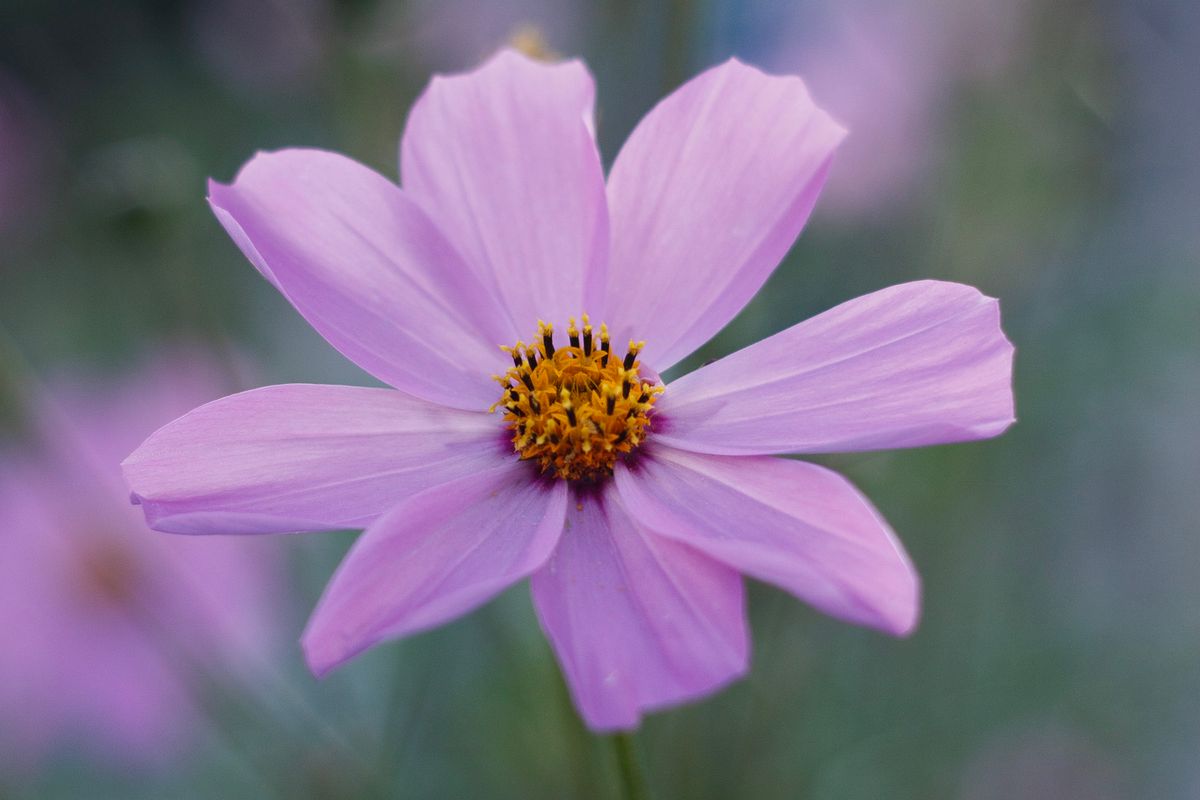
Remove the spent flower at an appropriate junction rather than leaving a bare stalk. Work in small passes so the plant retains a natural shape.
Decide what you want the plant to do
Deadheading means removing spent flowers, but its purpose varies. You may want a cleaner display, to reduce unwanted self-seeding, or to encourage continued flowering in a plant that responds to that treatment. Those goals are not identical. Some plants flower once regardless of how promptly faded heads are removed, while others continue producing buds for a long period. Seed heads may also provide ornamental structure or wildlife value. Before reaching for the secateurs, identify the plant and decide which outcome matters in that part of the garden. A border does not need the same rule applied to every stem. Deliberate selective work can preserve useful seed and structure while keeping repeat-flowering plants productive and paths free of fallen petals.
Learn the difference between a bud and a spent flower
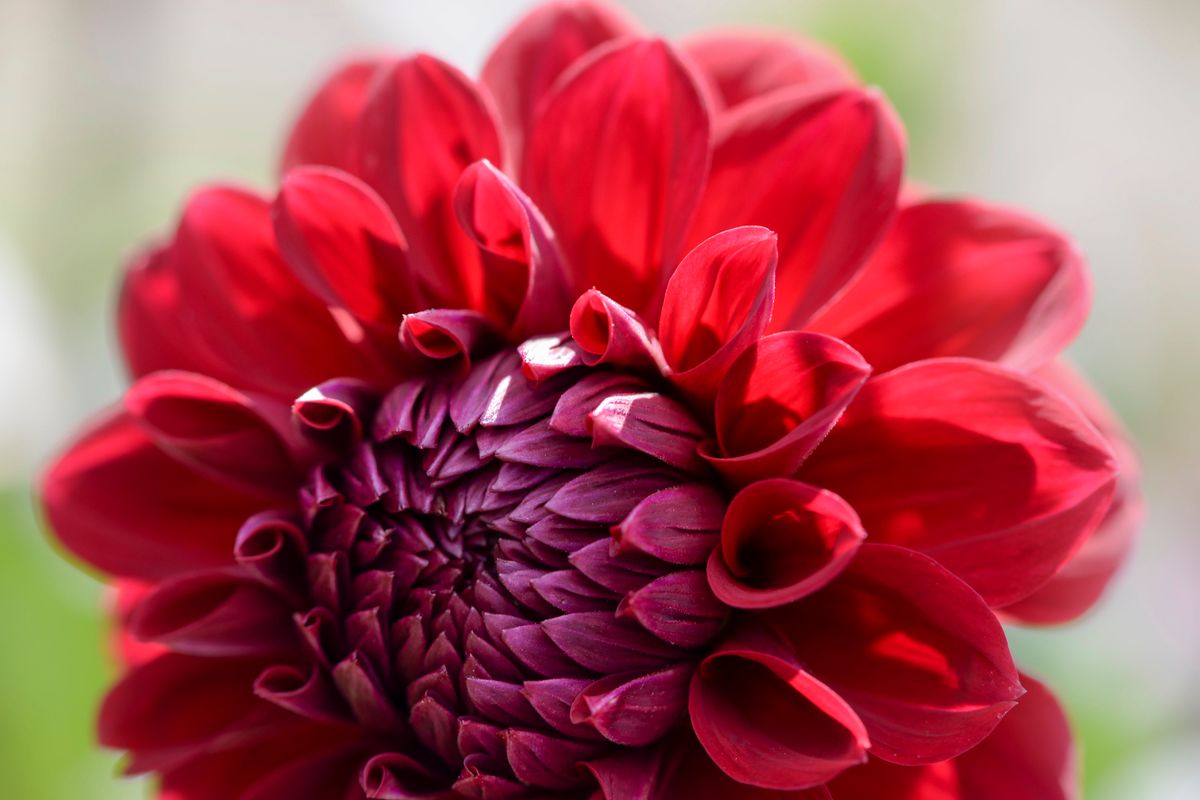
A fading flower may close or change shape, and some developing buds resemble finished heads. Look at several stages on the same plant before cutting. Petal texture, the shape of the base, and the position of healthy buds can help, but the clues are species-specific. Dahlias, for example, benefit from learning the difference between rounder buds and the form of a spent head rather than clipping every closed shape. If uncertain, leave the structure temporarily and consult a reliable plant guide. One delayed cut is preferable to removing the next flower. Work in good light and avoid hurrying through a dense plant where the intended stem is hidden behind neighboring growth.
Find the appropriate cutting point
Removing only the petals or the top of a long stem may leave a bare stalk and developing seed structure. For many plants, the useful cut is farther down at a suitable leaf joint, side shoot, or point recommended for that species. Look along the stem before cutting and preserve healthy new buds. A flower cluster may require a different approach from an individual bloom. Some plants can be pinched by hand when the tissue is soft; others need a clean sharp tool to avoid tearing. Support the stem and cut deliberately. Do not apply a single deep-pruning rule to all flowering plants, particularly woody or specialist species whose growth pattern and flowering wood need separate guidance.
Use tools that make a clean cut
Sharp suitable snips or secateurs reduce crushing and make precise work easier. Keep blades clean and maintain them according to the maker's instructions. If disease is suspected, follow appropriate hygiene guidance rather than moving directly through healthy plants with contaminated tools. Wear gloves where sap, thorns, or skin irritation may be an issue, and identify potentially harmful plants before handling them. Do not wipe sap onto clothing or leave cut material where children or pets may investigate it. A small container for debris keeps the route clear and prevents spent heads from being forgotten beneath the plant. Tool care is a practical part of the task, especially when a short daily round involves several different species.
Distinguish deadheading from pruning
Deadheading removes finished flowering structures; pruning may reshape a plant, remove wood, or alter the framework for future growth. The boundary can overlap, but the consequences differ. A hard cut made during a quick tidying round can remove future flowering wood or expose a plant at an unsuitable time. Check the species before turning a spent-flower trim into a major reduction. If a plant is too large for its place, plan the appropriate pruning separately. Do not gradually cut it harder every week under the label of deadheading. Keeping the goals distinct helps you choose the right timing, tool, and depth, and prevents routine maintenance from becoming an unplanned structural change.
Work with repeat-flowering plants realistically
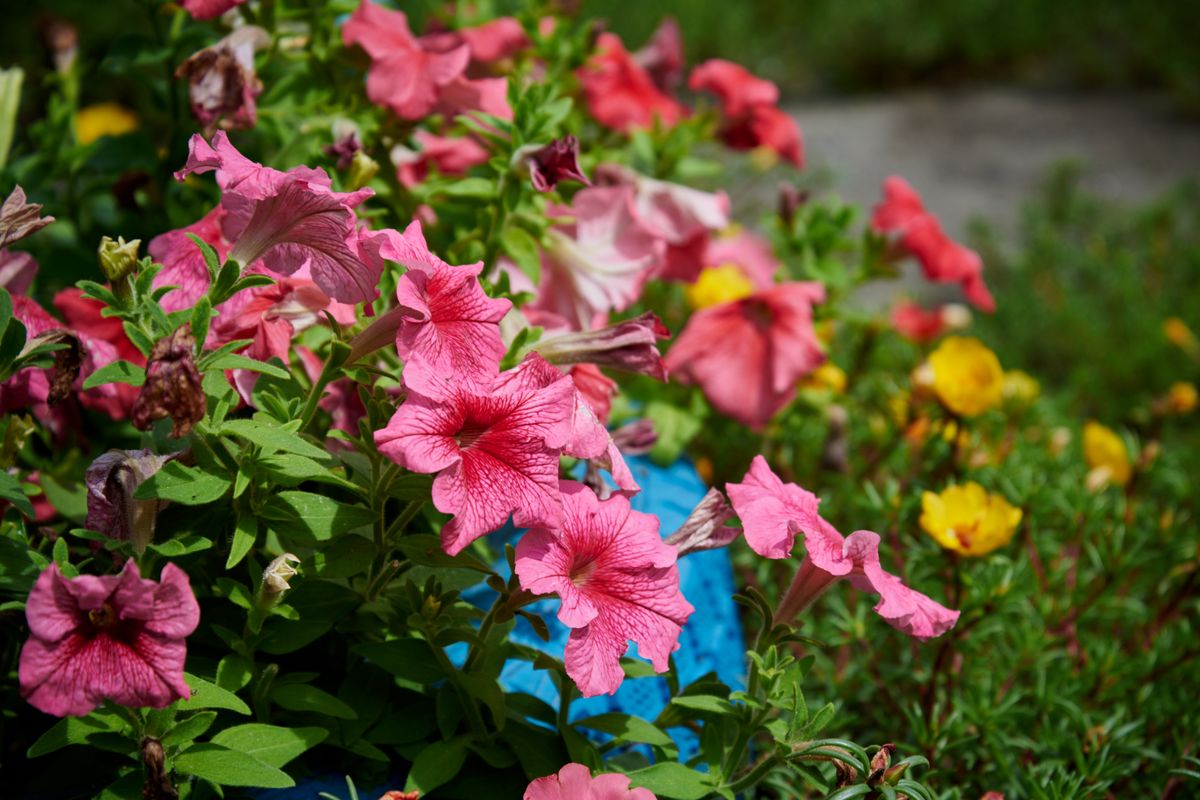
Removing spent flowers can encourage some plants to direct growth toward additional buds rather than seed, but it does not create unlimited flowering. Light, temperature, root conditions, water, nutrition, and the plant's natural season still matter. A plant that has stopped because conditions are unsuitable will not necessarily restart after another trim. Inspect the whole plant if flowering declines. Look for drought stress, crowding, deteriorating roots in a container, or simply the end of its normal season. Use feeding according to actual needs and product instructions rather than adding fertilizer every time flowers fade. Deadheading is one maintenance tool within cultivation, not a cure for every reason a plant produces fewer blooms.
Leave seed where it serves a purpose
Ornamental grasses, some perennials, and plants with attractive seed structures may be worth leaving. Birds and other wildlife can also use selected seed-bearing growth, depending on the plant and region. If you want to collect seed, retain healthy suitable heads and learn when and how to harvest them. Be aware that seedlings from hybrids may not match the parent, and some plants spread more freely than you want. Balance those considerations rather than removing everything or keeping everything indiscriminately. Diseased or locally invasive material may need different management. A purposeful patch of retained seed heads can coexist with a more closely maintained area near a doorway or seating space.
Adapt the method for containers
A pot can concentrate flowers, dead foliage, and trapped debris in a small area. Remove spent material carefully without pulling healthy stems out of dry or loose medium. Check watering and drainage while you work, especially in hanging baskets where the surface may be difficult to inspect. A busy display can look tired because the root ball is dry rather than because it needs more cutting. Reach baskets safely; do not stretch from an unstable chair with sharp tools. If a container must be lowered, plan a secure method and account for its weight when watered. Container deadheading is most useful when it includes a quick check of the conditions sustaining the display.
Respond differently to disease symptoms
A spotted flower, collapsing stem, or moldy head should prompt closer investigation rather than being treated as ordinary fading. Identify the likely issue using reputable horticultural guidance and consider moisture, airflow, weather, and plant condition. Remove affected material as recommended without unnecessarily spreading it through the planting. Disposal advice may differ from that for healthy faded flowers. Do not add suspect material to a home compost pile automatically if guidance recommends another route. Avoid spraying a general product simply because the flower looks poor. Correct identification matters, and cultural improvements may be part of the response. Keep photographs of the symptom before removal if you need help, including the wider plant rather than only a close-up.
Make a short maintenance round useful
A manageable routine might involve checking a few repeat-flowering plants, collecting spent heads, and leaving selected seed structures untouched. Work when visibility is good and the plants are accessible. Carry the appropriate tool and a container rather than repeatedly dropping debris on the ground. Observe new buds, damaged supports, and any irrigation problem as you go, but keep those larger tasks separate if they need planning. A brief round should not become a hurried attempt to fix the whole border. If you miss several days, assess the plant calmly rather than cutting everything back to compensate. Gardening remains easier when maintenance follows the plant's growth rather than an imagined standard of permanent perfection.
Know when to stop
As the season changes, continued deadheading may offer less benefit, and leaving selected structure can be the more useful choice. The timing depends on species and climate rather than one universal date. Learn whether the plant is tender, perennial, woody, or being grown as a seasonal annual, and follow suitable guidance. Avoid late drastic cuts that leave a plant poorly prepared for local conditions. Record which plants responded well to regular removal and which showed little difference. That experience can make next year's routine more selective. The best outcome is not a garden with no faded flowers anywhere, but a planting in which cutting, seed production, appearance, and habitat value have been balanced intentionally.
A selective round through a mixed border
Take three different plants rather than treating the border as one task. On a repeat-flowering annual, identify spent heads and cut at the appropriate point without removing new buds. On a perennial with attractive seed structures, decide whether those heads are being retained intentionally. On a shrub, check the species' flowering and pruning guidance before making any deeper cut. This small comparison shows why deadheading cannot be reduced to a single instruction. The correct action follows the plant's growth pattern and your purpose for that particular place in the garden.
Carry a small container for cut material and keep healthy faded heads separate from material that appears diseased if disposal guidance requires a distinction. Check the tool as you move between plants and use appropriate hygiene where a problem is suspected. Avoid cutting while distracted by a conversation or while trying to reach across thorny growth. If the stem cannot be seen clearly, change your position rather than cutting by feel. A clean precise cut takes little time once access is sensible. Good lighting and a manageable route can make the round more effective than attempting a large amount of hurried work.
At the end, look at what remains. There should still be healthy foliage, developing buds where appropriate, and any seed heads you chose to keep. If the border now contains many long bare stalks, revisit the cutting points next time. If a plant has few buds left, check whether that reflects its natural season or a cultivation issue rather than continuing to trim automatically. Note one or two species whose response you want to observe. Selective maintenance becomes easier with familiarity, and the goal is useful growth and intentional appearance rather than removing every sign that a flower has completed its cycle.
Further reading
Use these independent resources to explore the subject and check guidance for your location.