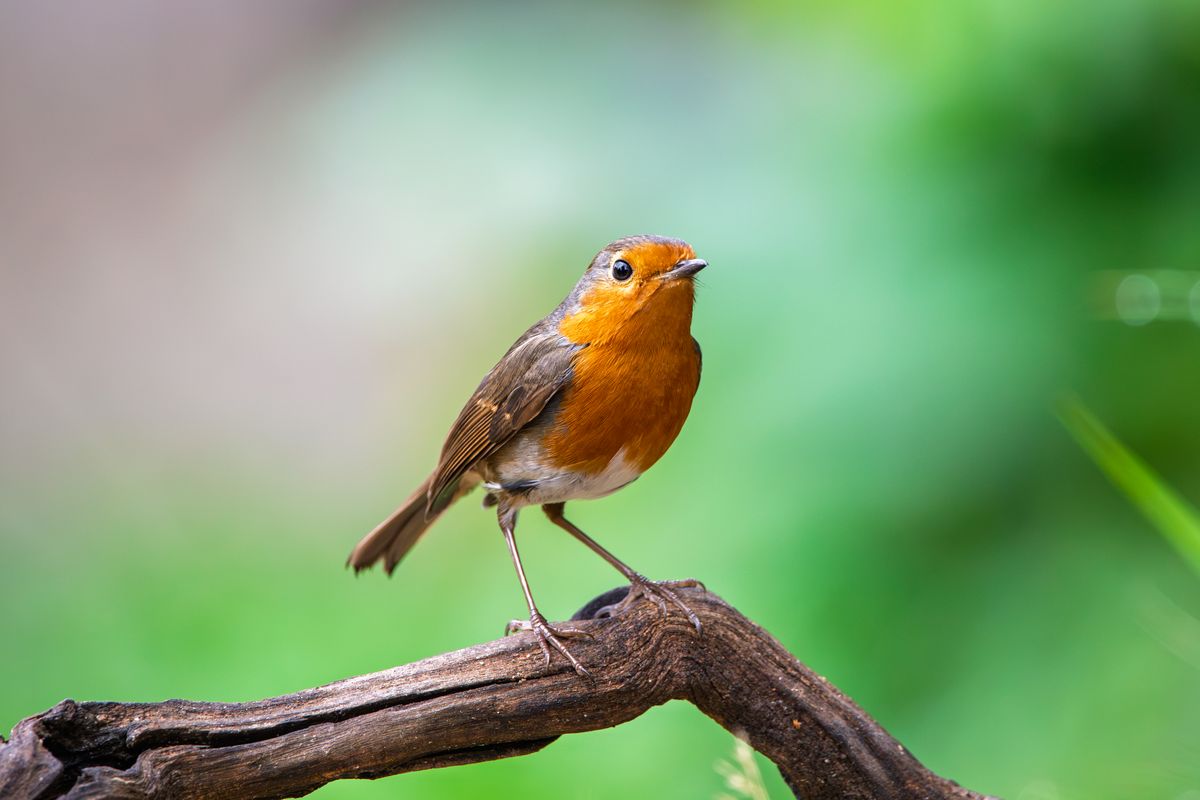
Helping Garden Birds in Cold Weather
Maintain safe water access, suitable shelter, and a clean feeding routine where local winter bird-feeding advice supports it.
Updated
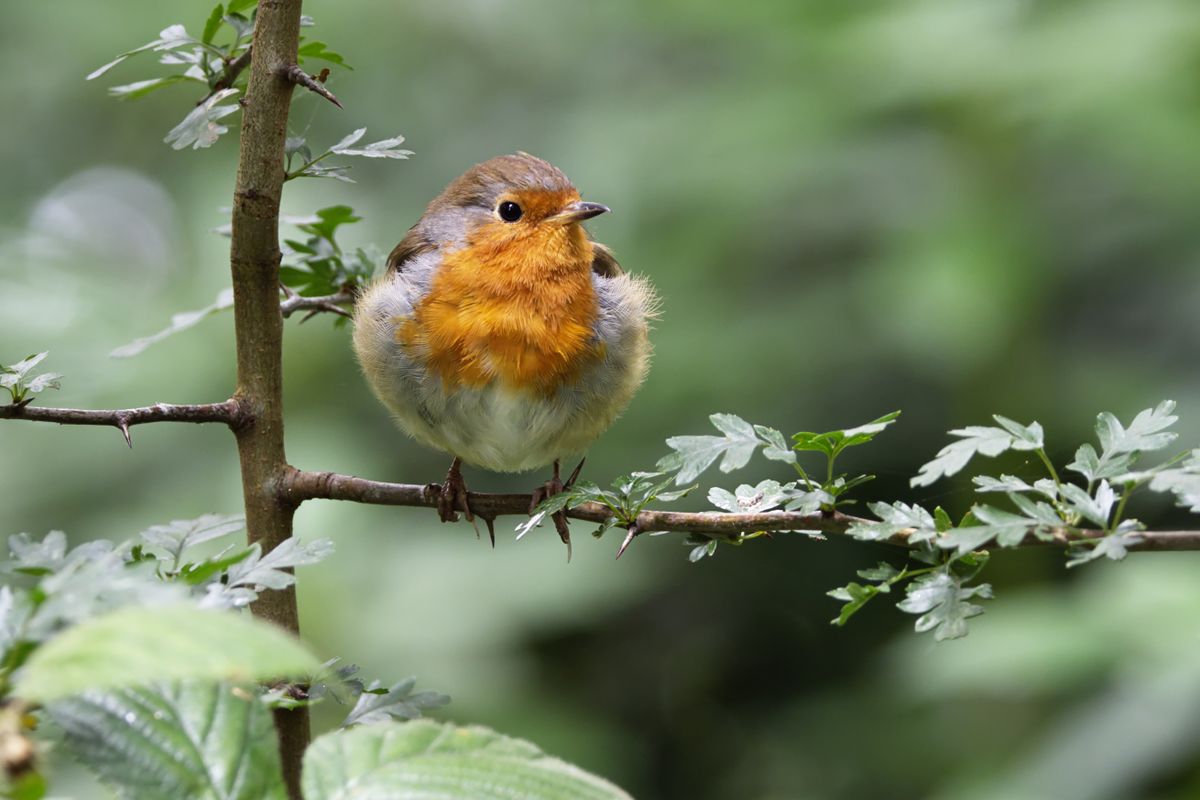
Maintain safe water, retain natural shelter, and adapt any feeding routine to current regional advice and changing weather.
Keep access dependable when conditions change
Cold conditions can make a garden’s resources less accessible even when they appear unchanged from indoors. Water may be frozen beneath a decorative rim, food can become damp during repeated thawing, and maintenance routes can turn slippery. Plan for what you can inspect and clean safely. Support should remain appropriate to local species and current wildlife-health guidance; more food is not automatically the best response to every cold forecast.
Think in resources rather than seasons
A cold calendar month does not describe every climate. Wind, frost, precipitation, and available natural food matter more than a label. Observe the actual weather and the resources already present in your garden. Use local bird guidance rather than importing a routine from another continent.
Assess the local situation rather than copying a winter checklist from another climate. A wet mild period, a dry freeze, and deep snow create different practical issues. Note which natural food and shelter remain available and whether local conservation organizations have issued updated feeding advice. A garden with mature fruiting vegetation may be used differently from an exposed paved yard. Keep your observations specific. Supporting birds does not require inventing a crisis whenever the temperature drops; it requires maintaining suitable resources and avoiding preventable hazards under the conditions actually present.
Keep water accessible
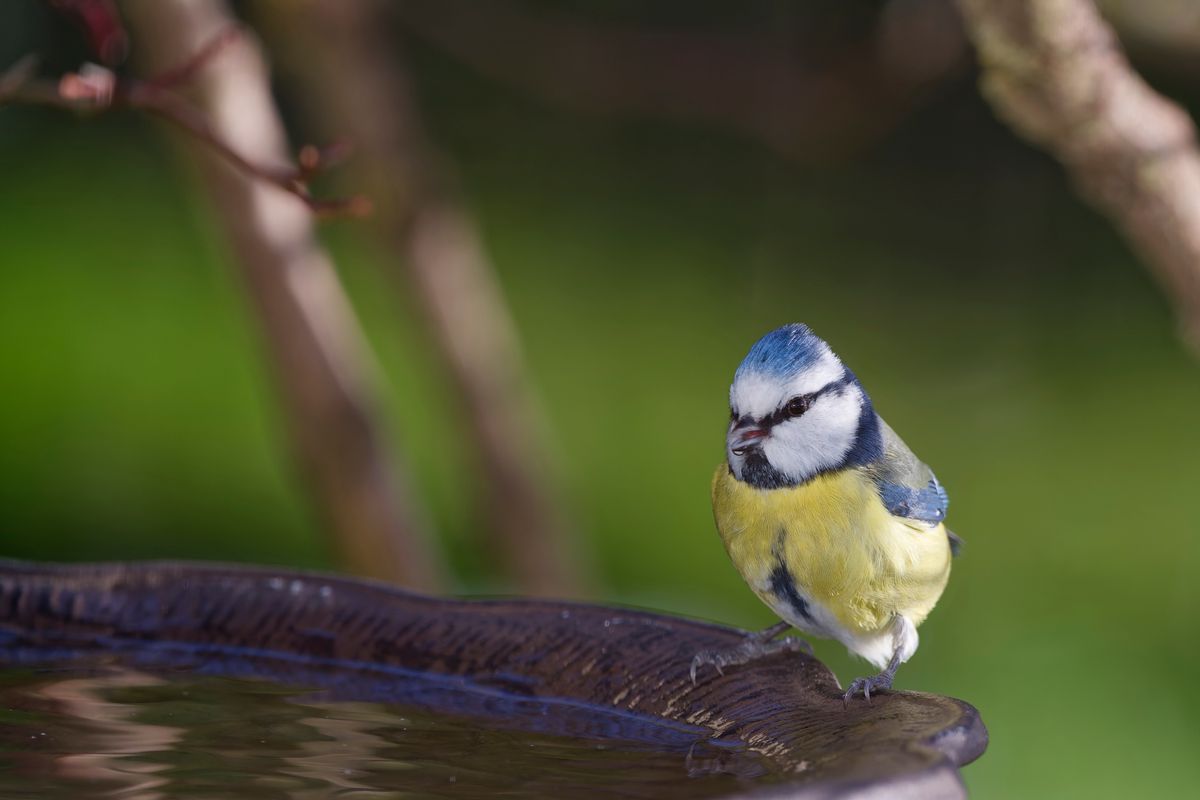
A frozen basin may look full while offering no drinking access. A shallow dish can freeze again quickly after being refreshed. Check water through the day when freezing persists. Never use salt or chemical antifreeze in wildlife water.
Water maintenance in freezing weather should be planned around safe handling. A frozen bowl can be heavy and slippery, and some materials crack under rapid temperature change. Follow the maker's guidance and use a suitable spare if needed. Do not add salt, sugar, or chemicals. If a purpose-designed heater is considered, check electrical safety and installation requirements carefully. Even with heating, inspect water and surfaces for dirt. A device that prevents ice does not remove droppings or debris. Keep the route accessible so that the water feature can be maintained without avoidable risk to the person caring for it.
Retain dense cover
Evergreen shrubs and layered hedges can offer shelter from wind. A garden stripped to bare stems may provide little refuge. Keep useful healthy cover and postpone unnecessary clearance. Inspect plants for active wildlife before carrying out essential work.
Shelter depends on structure, not simply on the presence of a plant. A sparse newly planted specimen offers different protection from a mature layered hedge. Retain useful healthy cover where practical and plan replacement gradually if an old plant must be removed. Do not create loose netting or improvised enclosures that may trap birds. Keep necessary maintenance targeted and check for wildlife before beginning. Although many gardens are quieter in winter, some nesting or other protected activity may still occur depending on region and species. Local guidance should inform work rather than a universal assumption about the calendar.
Keep food dry where feeding is advised
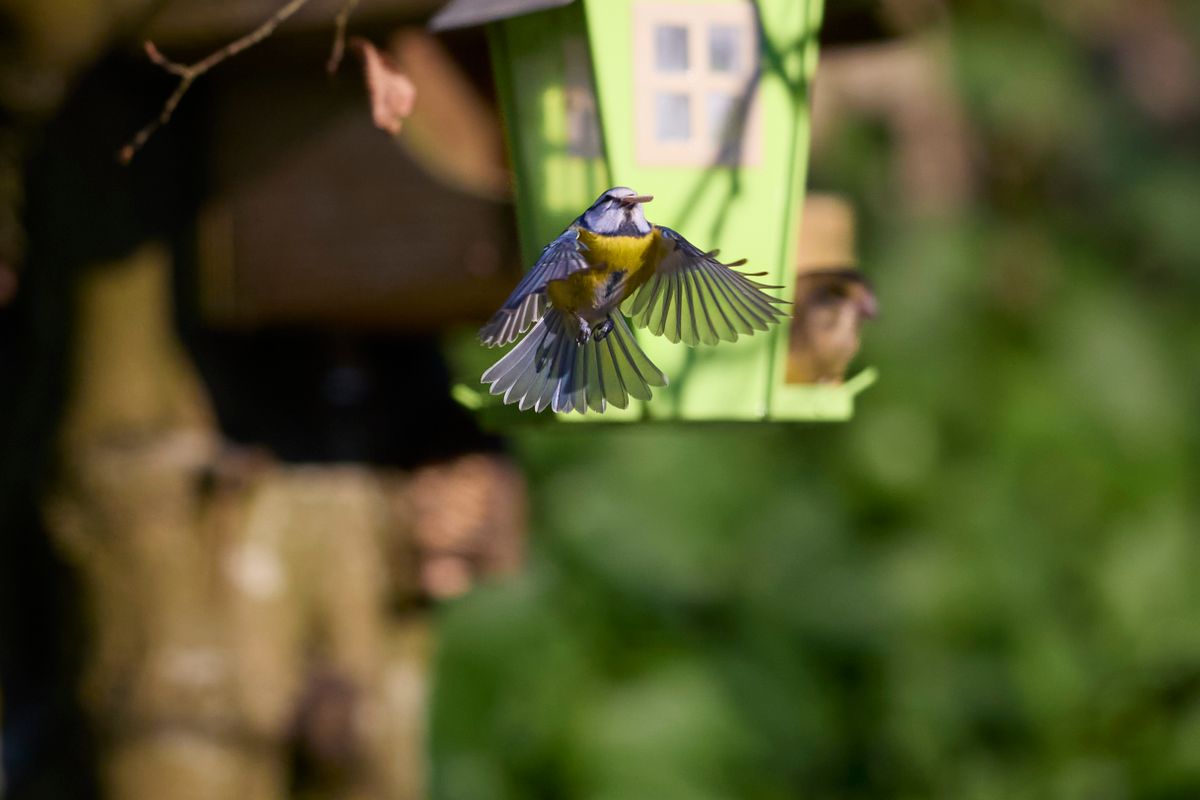
Wet seed can clump in sheltered corners and around feeding ports. A roof alone may not prevent wind-driven rain from reaching it. Use suitable equipment and inspect food before every refill. A large reserve in the feeder is less useful than a small fresh supply.
When feeding is appropriate, inspect how weather reaches the food. A cover may shed vertical rain but offer little protection from wind-driven moisture. Check ports, lower seams, and the storage container. Remove old material rather than topping up indefinitely. Choose equipment that can be dismantled and dried, and keep a dedicated cleaning routine. If birds leave large amounts of a mixture uneaten, review the food and quantity rather than accepting constant waste. The patch beneath the station also needs attention; damp discarded food can remain a problem even while the visible feeder looks orderly.
Prevent slippery access for people
An icy route to a feeding station can make care inconsistent or unsafe. Carrying hot water over frozen paving introduces additional risks. Choose a location you can reach safely during poor weather. Plan maintenance around practical access as well as the birds' view.
Think through the maintenance route before icy weather arrives. A station at the far end of a steep path may be easy in summer and difficult in winter. Improve safe access or choose another suitable location where practical. Avoid carrying awkward heavy containers on slippery surfaces. If another household member may help, show them the routine before conditions deteriorate. Keep wildlife water and feeding equipment separate from materials used to treat icy paving. Products intended for paths do not belong in a bird bath or on feeding surfaces, and storage should make that distinction obvious.
Watch disease guidance
Cold weather does not remove the need for hygiene, and crowding around a few resources can matter. Local outbreaks may change advice. Check current conservation guidance if sick birds appear or feeding recommendations change. Temporarily reducing congregation may be more helpful than providing additional food.
Crowding and shared surfaces remain relevant in cold conditions. Check for unusual behavior without trying to diagnose birds from a distance. If illness is suspected, consult current local wildlife-health guidance and follow any advice to pause feeding or manage water sources. Clean equipment appropriately and keep pets away from sick or dead wildlife. Do not add more food as an automatic response to a bird that appears lethargic. Record the observation, date, and location for the service advising you. A measured response can support disease prevention more effectively than an intensified version of the usual feeding routine.
Let spring arrive on local terms
Bird behavior and natural food availability change gradually. A fixed date is not a universal signal to switch all management practices. Review the routine as daylight, weather, and local guidance change. Retain the habitat improvements that remain useful beyond winter.
As conditions improve, avoid an abrupt switch based solely on a date. Review actual weather, natural resources, and regional recommendations. Continue maintaining useful habitat rather than treating winter care as a separate isolated project. A hedge retained for shelter may also support spring nesting, and a clean water source remains valuable when temperatures rise. Update the routine if the amount of use changes. Keep records of practical difficulties so that preparation next year is specific to your garden. Gradual improvements in access, hygiene, and habitat usually matter more than adding seasonal decorative features.
A cold morning care check
Begin at the water rather than assuming the bowl remains available because it is full. If a layer of ice has formed, use a safe method to replace it with fresh water. Avoid sudden temperature shock to fragile containers and do not carry boiling water across an icy path. Check the surface again later if freezing continues. The routine should protect both the birds and the person maintaining the feature; a dangerous route makes reliable care difficult.
Next, inspect any feeding equipment that remains appropriate under current local advice. Wind-driven rain can reach ports and seams despite a cover. Look for clumped food and clear waste beneath the station. Filling a feeder heavily before bad weather may seem convenient but can leave more food exposed to moisture. Choose an amount you can keep fresh, and follow current guidance if disease concerns or regional recommendations call for a change in feeding practice.
Consider what the birds can use when they are not feeding. A hedge or dense shrub may provide a sheltered pause between exposed areas. Avoid clearing useful cover simply to improve your view of a feeder. If essential maintenance is necessary, inspect for wildlife and keep disturbance limited. Winter gardening can still be tidy and practical while retaining habitat. The balance comes from deliberate choices about paths, safety, and vegetation rather than removing everything that looks untidy.
After the cold period, review what was difficult. Perhaps the basin was too heavy, the feeding station was inaccessible, or the route became slippery. Make a practical adjustment while the problem is fresh in mind. You do not need to redesign the entire garden. A spare clean dish or a better maintenance position may be enough. The most durable improvements are those that make safe care easier in the actual conditions your home experiences.
Preparing before the next freeze
Inspect containers and storage before freezing weather is forecast. A frost-suitable spare basin, clean brush, and safe refill route can prevent a hurried improvisation. Keep wildlife equipment separate from de-icing materials and household chemicals. If another person may help, show them how the setup works in ordinary conditions. Preparation is most useful when it addresses a difficulty you have actually encountered, such as an awkward heavy bowl or a path that becomes slippery.
Review any equipment that uses electricity according to its instructions. Connections must remain protected, and outdoor devices should be suitable for the intended use. Do not repurpose an indoor heater to keep wildlife water open. If safe installation is uncertain, seek qualified advice or use a simpler manual arrangement. The same practical caution applies to makeshift covers or shelters: avoid loose material and gaps that can entangle birds. An outdoor feature should remain safe when weather deteriorates, not only when it is first assembled.
Keep the broader habitat in view. Retained healthy shrubs and locally appropriate planting provide benefits that continue after the cold spell. Plan replacements and pruning with growth, access, and wildlife needs in mind. A winter observation notebook can reveal which patches receive regular use. Use that evidence when deciding what to retain, while recognizing the limits of short observation periods. Gradual improvements to shelter, safe glass, and manageable maintenance create a more dependable garden than concentrating every effort on a seasonal food display.
Further reading
Use these independent resources to explore the subject and check guidance for your location.