Recognizing Bird Behavior Without Jumping to Conclusions
Learn to describe feeding, bathing, alertness, and social behaviour while recognising uncertainty and signs that need qualified help.
Updated
Describe posture, movement, context, and duration before deciding what a bird's behavior means.
Interpret a sequence rather than a snapshot
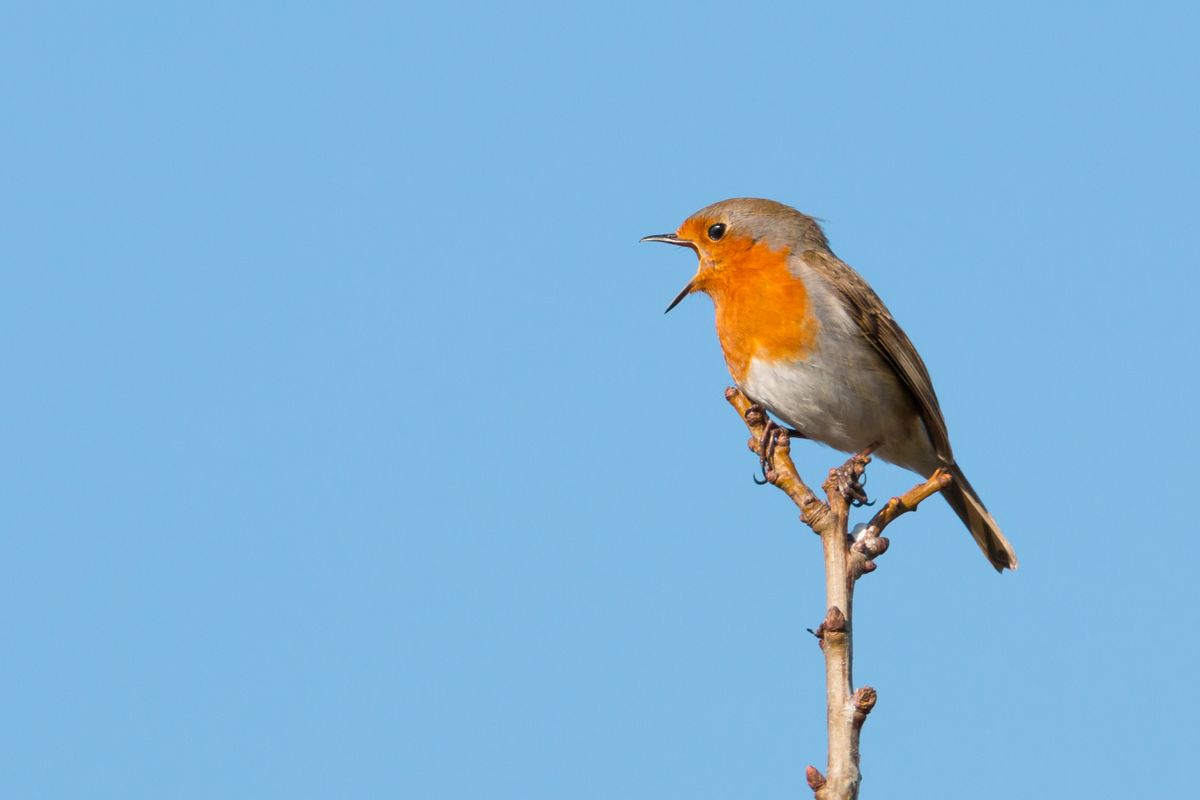
A bird with its beak open or feathers fluffed can prompt an immediate diagnosis, but a single posture rarely tells the whole story. Weather, activity, species, and what happens next all affect interpretation. Observation becomes more useful when you describe the sequence before naming its cause. Stay far enough away that your presence does not create the very alarm you are trying to explain. This approach supports curiosity while leaving diagnosis and wildlife intervention to appropriately qualified people.
Separate description from interpretation
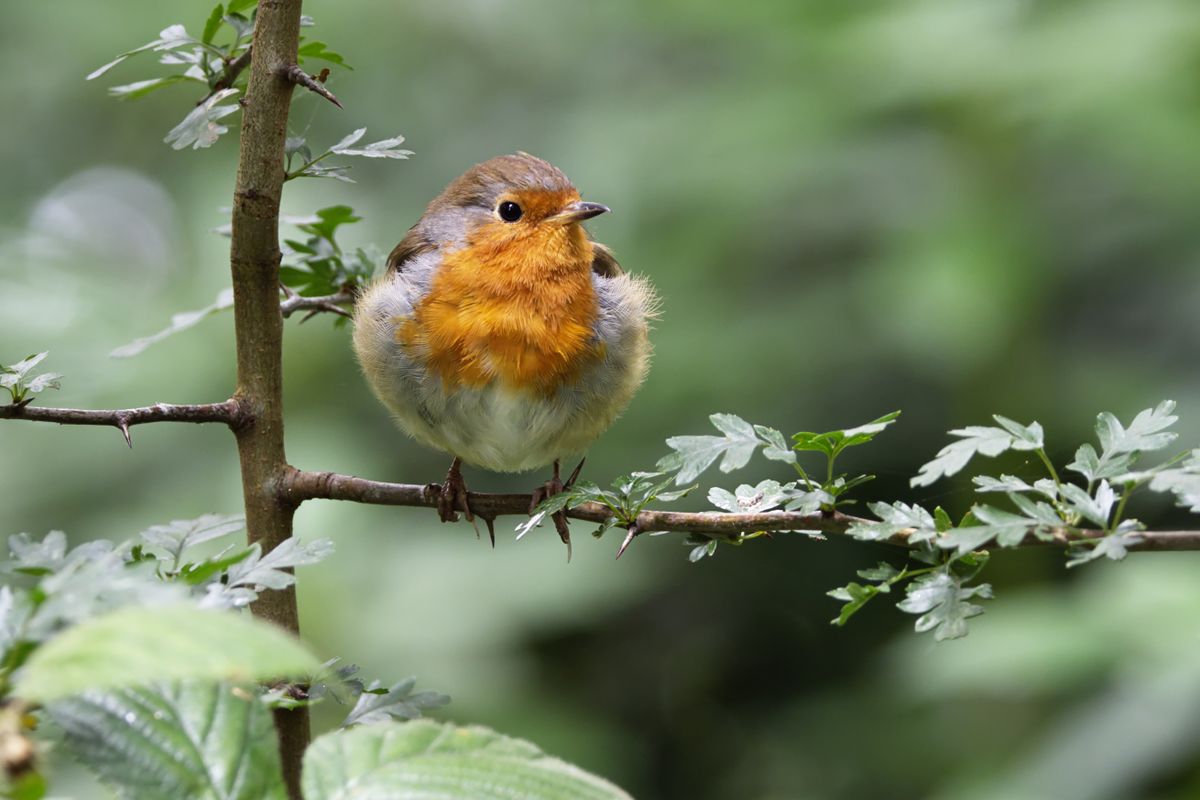
A bird sitting with feathers fluffed is an observation; calling it ill is an interpretation. Cold, rest, and health can all affect appearance. Write the visible behavior first and keep possible explanations separate. A single photograph rarely provides enough context for a confident conclusion.
Begin with a plain description that another observer could recognize. Note whether the bird is standing, crouching, feeding, preening, or remaining still. Add duration and the surrounding conditions. Avoid emotional interpretations such as sadness or gratitude; they are not evidence-based descriptions of what you see. Even a health-related interpretation should remain cautious unless there are clear signs that justify seeking help. A short sequence of behavior is more informative than one dramatic photograph. Keep enough distance that your presence does not become the main factor shaping the bird's response.
Look at the surroundings
A sudden silence may follow a predator's arrival, a disturbance, or simple movement out of sight. The environment helps explain the change. Scan the wider area without walking directly toward the birds. Avoid treating every abrupt departure as evidence of a problem at your feeder.
Context includes other animals, people, weather, and habitat. A flock's sudden departure may coincide with a passing cat, a noisy tool, or an alarm from another bird. Scan quietly rather than walking into the group to investigate. The cause may remain unknown, and that is acceptable. Do not turn every unexplained event into a claim about danger or distress. Record the timing and what you could actually detect. Repeated observations can later reveal a pattern, while a single uncertain episode may remain simply an interesting moment with several possible explanations.
Notice feeding methods
Some birds pick insects from leaves while others probe the ground or crack seed. Differences in technique can explain why they favor particular places. Record what the bird touches and how it handles food. Do not assume a bird has failed to feed because it ignores a feeder.
Feeding behavior varies with anatomy and opportunity. A bird that searches beneath leaves may obtain food without visiting the feeder you maintain. Another may take an item away to handle it under cover. Watch the bill movements and the surfaces being searched, but do not disturb vegetation to expose the prey. Avoid interpreting a brief unsuccessful attempt as evidence that the garden lacks food. Species guides can explain common techniques, and repeated observation can show how those techniques fit your habitat. The bird's relationship with the garden extends beyond the features that people deliberately provide.
Allow for life stage
Young birds can look awkward and may spend time on the ground while adults remain nearby. Their appearance differs from the polished adults in guidebooks. Observe from a safe distance and keep pets away. Seek wildlife advice before deciding that a young bird needs rescue.
Young birds can be especially easy to misinterpret. Plumage, proportions, movement, and calls may differ from adults. Some fledglings spend time on the ground while being cared for nearby, although a visible injury or other urgent concern still needs expert attention. Keep pets away and observe from a distance before intervening. Do not assume abandonment because an adult is absent during your short visit. Contact a qualified local wildlife service if uncertain and follow its species-appropriate instructions. Avoid attempting to rear a wild bird yourself based on an online feeding recipe.
Understand seasonal changes
Song, flocking, territorial displays, and plumage vary through the year. A behavior that seems unusual in one season may be expected in another. Use a regional guide that explains seasonal behavior for the likely species. Do not force a summer explanation onto a winter observation.
Use local seasonal information when interpreting behavior. Flocking, singing, territorial displays, and molt can change through the year, and the timing differs by region. An identification guide may show only one adult plumage, so consult an appropriate fuller resource if appearance is confusing. Weather and food availability can also shift activity without indicating a problem. Keep the explanation modest: a behavior is consistent with a known seasonal pattern, rather than proof of an exact internal state. This approach allows learning while acknowledging that a garden observation offers only a limited view of the bird's life.
Know when to seek help
Persistent inability to stand, visible injury, or a bird that cannot escape may justify contacting a rehabilitator. Amateur diagnosis can delay appropriate care. Make a brief factual description and contact a qualified local service. Avoid catching the bird unless the professional advises a safe procedure.
When help may be needed, focus on signs and immediate risks. Visible injury, entanglement, inability to stand, or inability to escape a dangerous situation justify contacting a qualified service. Tell them where the bird is, whether it can move, and whether pets or traffic pose a threat. Do not repeatedly chase it to test flight. Follow professional instructions about containment and transport if those are required. A factual description and a calm environment are more useful than a confident amateur diagnosis. Keep people back while obtaining advice, and avoid offering medication, forced food, or water.
Keep learning from repeated visits
Familiarity reveals normal variation within a species. Quiet observation is more informative than repeated attempts to provoke a response. Return to the same viewpoint and compare observations over time. Respect uncertainty when the available evidence remains incomplete.
Repeated quiet observation builds familiarity with normal variation. Choose a consistent place and avoid provoking reactions to make the session more interesting. Record the behavior alongside conditions so that comparisons remain meaningful. You may discover that a bird rests in the same sheltered place during rain or uses a particular route when the garden is busy. Those patterns can inform practical choices without requiring you to know every cause. Keep uncertainty visible, use reliable regional resources, and remember that the best response to many ordinary wild behaviors is to allow them to continue undisturbed.
A bird that seems unusually quiet
Suppose a bird sits on a sheltered branch longer than you expect. Begin by noting its posture, position, and the weather. Is it alert to movement, balancing normally, and changing position? Are other birds resting nearby? Those observations offer context without requiring you to approach. Avoid deciding from one feature alone that it is ill. At the same time, do not dismiss visible injury or inability to stand as ordinary rest. The difference matters for deciding whether expert advice is needed.
Watch the surroundings from a respectful distance. A nearby predator, recent disturbance, or sudden weather change can alter activity. If you walk directly toward the bird to test its response, you change the very behavior you are trying to understand. Keep pets indoors and leave an unobstructed escape route. A short factual note is useful: the bird remained on the same branch for a measured period, turned its head normally, or appeared unable to bear weight on one leg.
Use a regional species guide to check normal behavior and appearance. Young birds and seasonal plumages can look different from the adult illustration that first comes to mind. Some species are naturally less conspicuous or more sedentary during particular conditions. Treat an identification as provisional when the view is poor. An accurate description can still help a rehabilitator or experienced observer, whereas an incorrect confident species label may distract from the important details of the situation.
If there is a genuine welfare concern, contact a qualified local service and follow its instructions. Be ready to describe the location, access, visible injury, and the presence of pets or traffic. Do not offer food or water by hand, and do not repeatedly move the bird for photographs. Even well-intended intervention can cause harm. Careful observation has value precisely because it helps distinguish a situation that needs professional attention from one in which quiet distance is the better response.
Using identification tools responsibly
A sound-recognition app or image-identification tool can suggest possibilities, but it should not replace the observation record. Note what you heard or saw before accepting a result. Automated tools can be confused by background noise, poor views, and similar species. Check suggestions against a reliable regional guide and the likely range. Keep uncertain identifications labeled as such. Technology is useful when it helps you ask a better question, not when it turns limited evidence into unwarranted certainty.
Do not use playback to make an uncertain bird call again. It may alter behavior, disturb territorial birds, or attract attention around nesting activity. Quiet patience is the more appropriate method for casual garden learning. If you record a sound, do so from a respectful distance without approaching a hidden bird. Avoid publicly sharing precise locations of sensitive species. The welfare of the subject matters more than completing an identification or obtaining a clearer recording.
When discussing an observation with others, separate facts from possible explanations. Include duration, conditions, and visible behavior, and mention what you could not determine. This invites useful guidance without steering the discussion toward a diagnosis you have already assumed. If an animal appears injured or distressed, contact a qualified service rather than waiting for social-media consensus. For ordinary behavior, allow uncertainty to remain. A careful observer can learn a great deal while still acknowledging that a few minutes in a garden reveal only part of a wild bird's day.
Further reading
Use these independent resources to explore the subject and check guidance for your location.