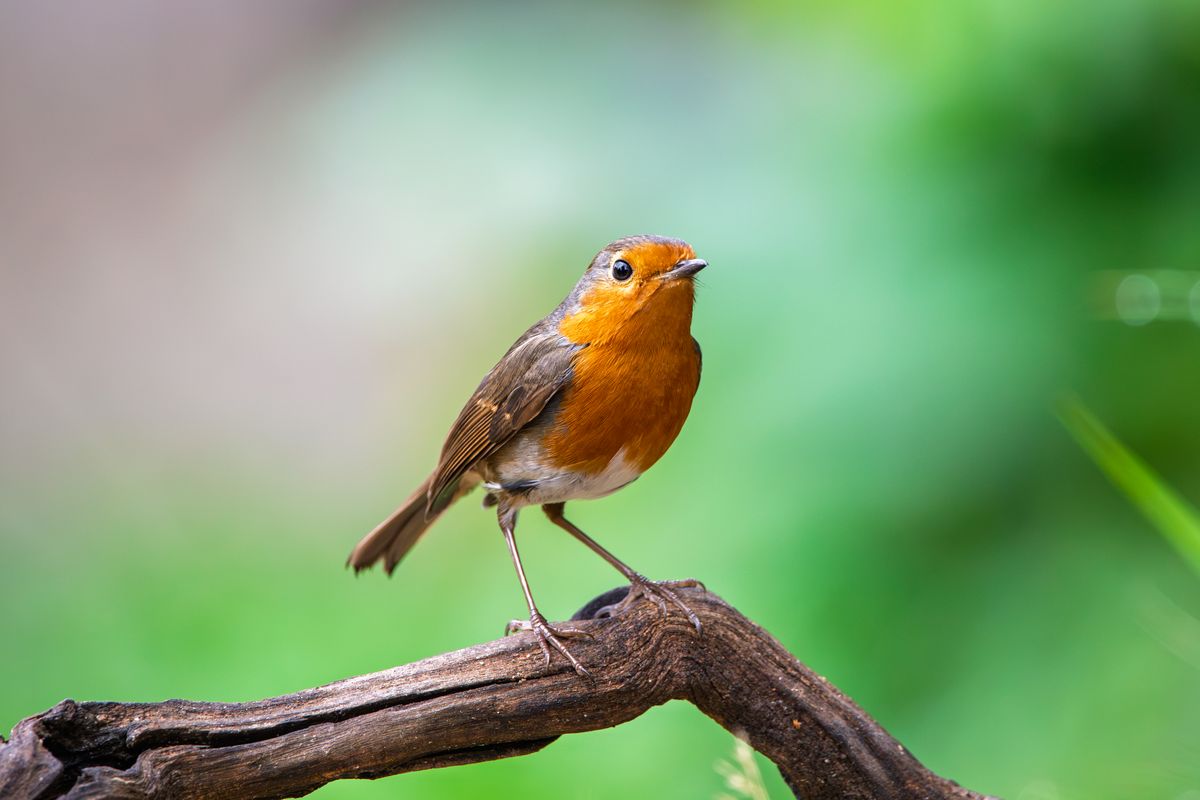
Starting a Garden Bird Observation Notebook
Record birds, effort, weather, and uncertainty in a simple notebook that reveals patterns without overstating what you saw.
Updated
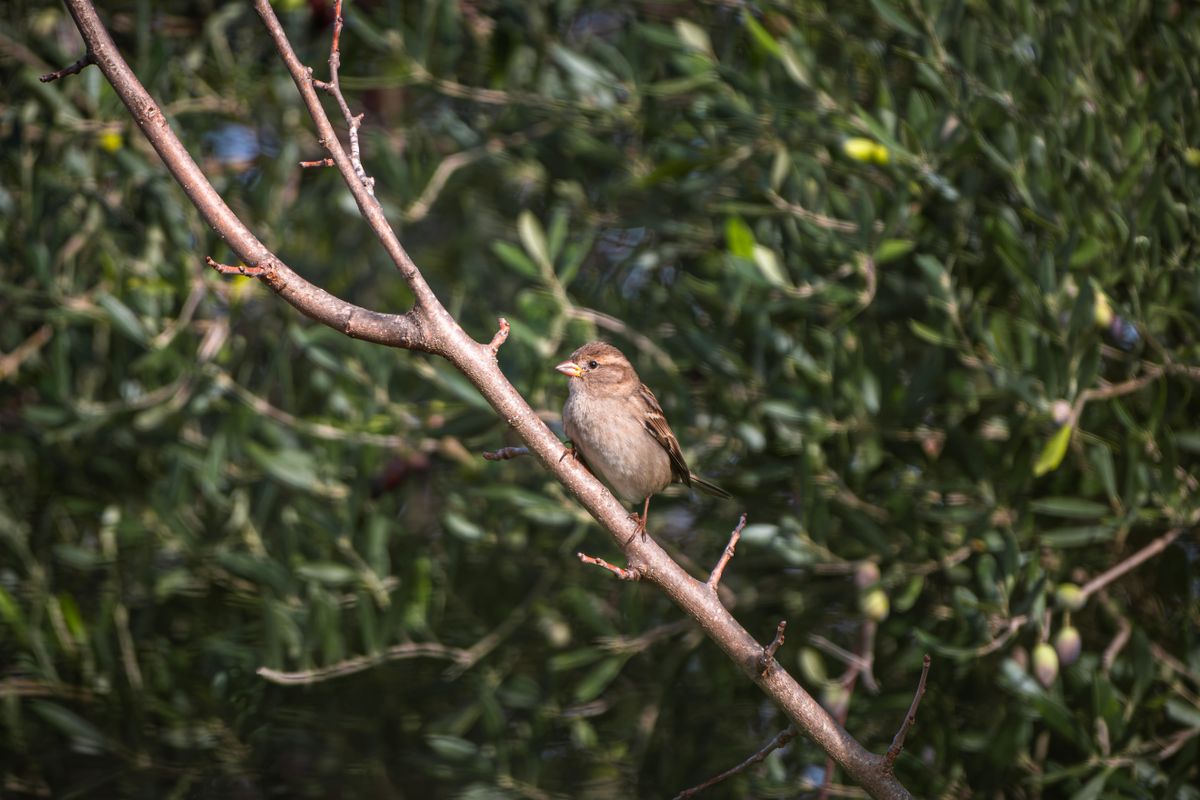
Record what you can actually identify, include time and conditions, and use repeated quiet observations to reveal patterns.
Make an observation useful to your future self
A useful bird notebook does not require confident identification of every visitor. It needs enough context that a later reader, including your future self, can understand what happened. A list of species without a date, duration, or location is difficult to compare with another list. Start with a repeatable observation period and a few clear notes. The habit becomes interesting when ordinary records reveal changes that memory smooths away.
Choose a repeatable viewpoint
A kitchen window, sheltered seat, or quiet path can all work. Moving continually between viewpoints makes comparisons more difficult. Pick a comfortable observation place that does not disturb feeding or nesting birds. Repeatability is more useful than having the largest possible view.
Choose a viewpoint that gives a useful view without putting you in the birds' path. Indoors may be ideal if glass reflections do not obstruct your observation. Keep the position comfortable enough to use consistently; awkward posture encourages shorter sessions and hurried identifications. Before beginning a count, allow a brief quiet settling period. Avoid putting out extra food solely to make the session more eventful. You are recording the garden under an agreed routine, so introducing a new attraction at every observation makes comparisons less meaningful. Note any unavoidable change that affects what you can see.
Record effort as well as sightings
Ten minutes and an entire afternoon are not equivalent samples. A quiet day may reflect less observation rather than fewer birds. Write down the start time, duration, weather, and broad visibility conditions. Keep zero-sighting sessions because they are part of the record.
Effort includes more than elapsed minutes. Heavy rain, glare, foliage, or noise may reduce your ability to detect birds. Record those limitations briefly. If you stop halfway through because of an interruption, note the actual duration rather than the intended session length. A zero result is still informative when the effort and conditions are clear. It does not mean the garden is empty all day, only that no birds were detected within that defined observation. Keeping the claim narrow makes the notebook more reliable and helps prevent an ordinary quiet session from becoming an exaggerated conclusion.
Describe before naming
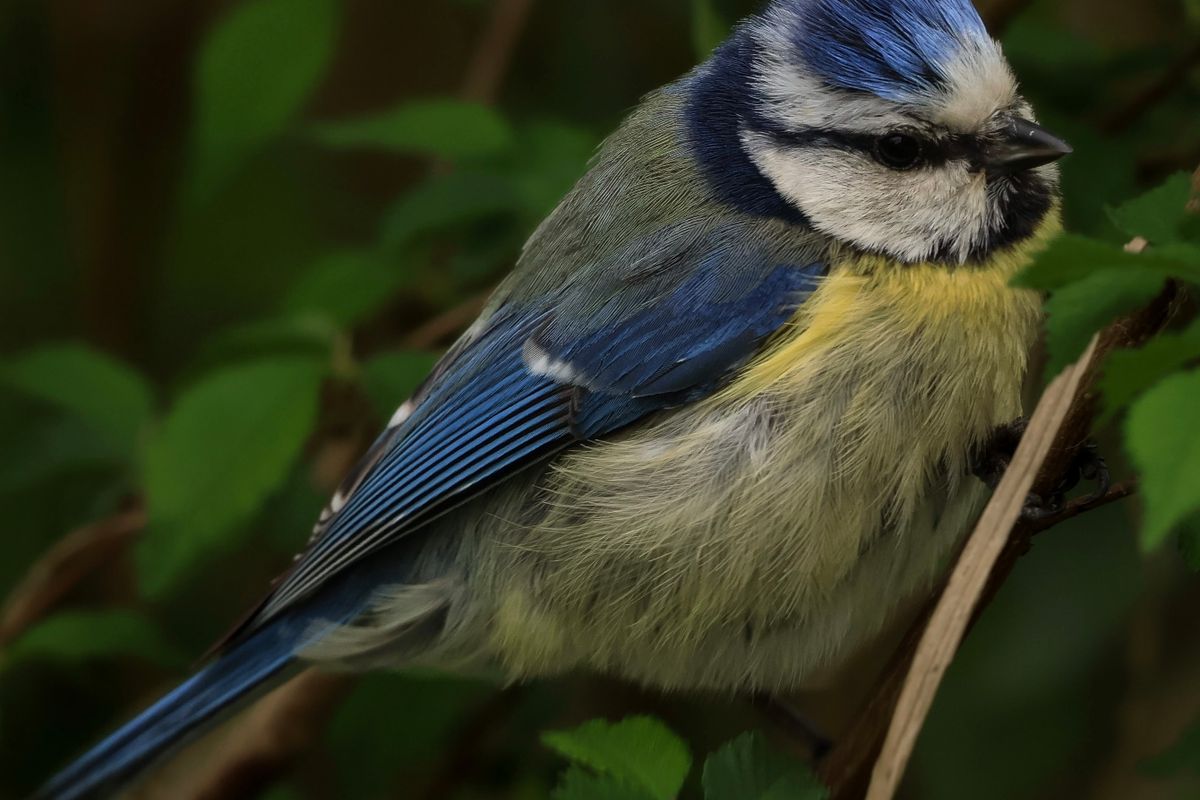
Size, posture, bill shape, and behavior can narrow an identification. A confident label based on one color is often unreliable. Write a short description before checking an identification guide. Use an uncertain label when the evidence does not justify a species name.
Use several features together when identifying a bird. Relative size is easiest when compared with a familiar nearby object or species, but distance can mislead. Bill shape, posture, movement, wing markings, and voice can add evidence. Color may change with light and viewing angle. If a call is heard without a clear view, record that limitation. A local guide or recognized identification resource can help afterward. Avoid forcing an unfamiliar bird into the nearest common species simply to complete the list. An unresolved record with a good description is a useful learning opportunity.
Notice how birds use space
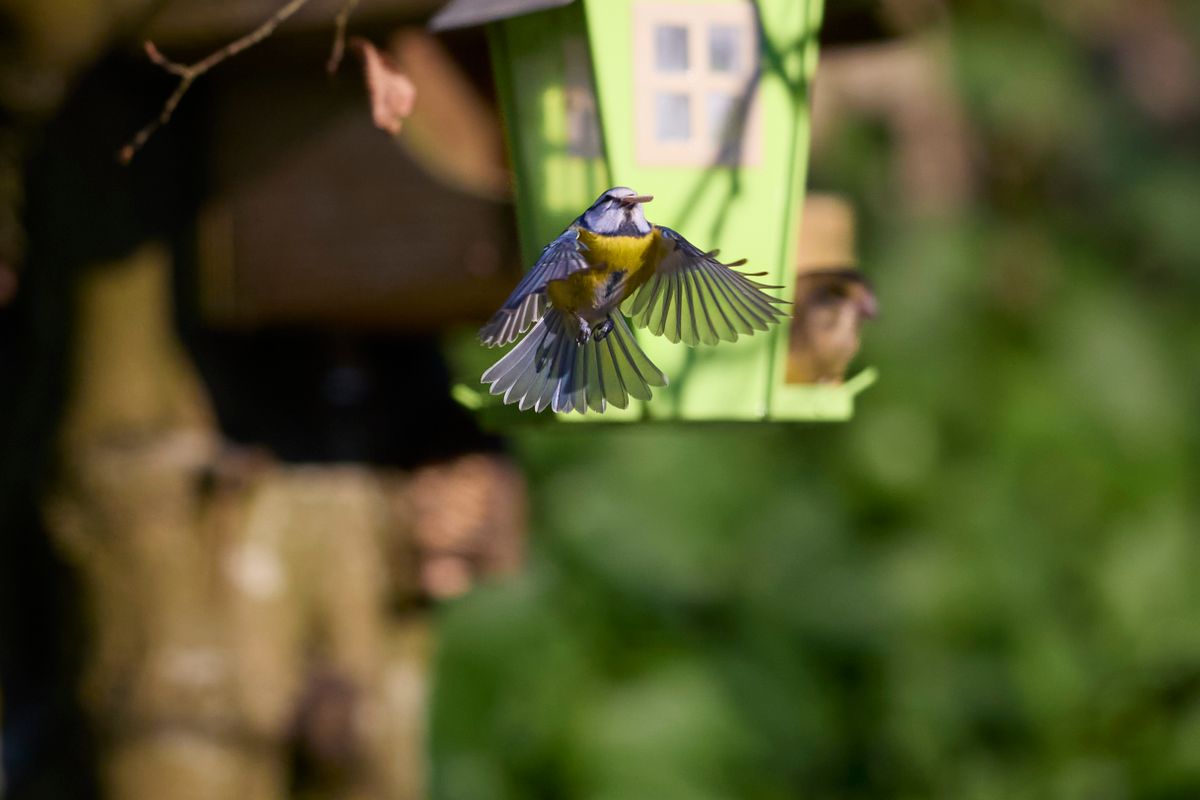
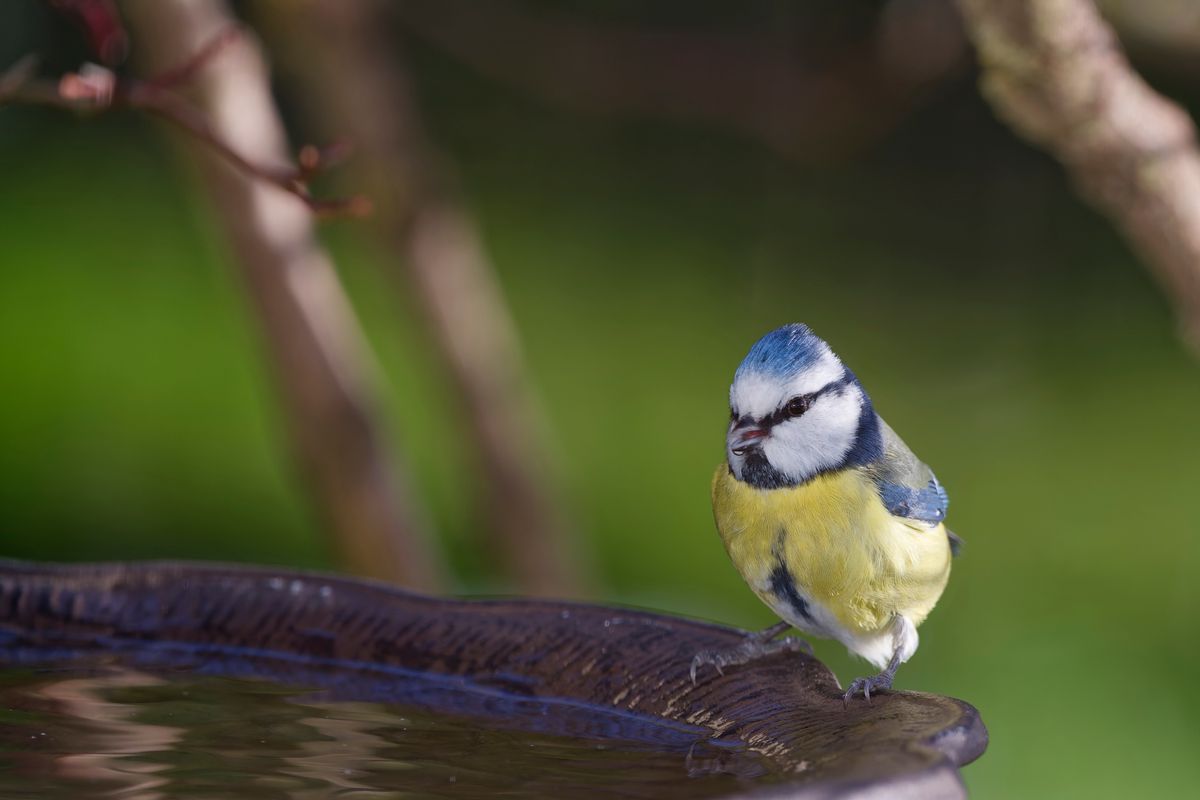
A shrub can serve as a waiting place, a feeding site, or a route across exposed ground. Presence alone does not capture those roles. Note whether each bird is feeding, resting, bathing, singing, or passing through. Keep interpretation separate from the behavior you directly observed.
Behavior notes reveal the value of features that a species list overlooks. Write down where a bird searched for food, how it approached cover, or whether it used the bath. A shrub may be important as a transit route even if it never provides visible fruit. Keep these statements factual: the bird entered the hedge and emerged at the far side, rather than the hedge made it feel safe. Over time, repeated use can support a cautious interpretation. Distinguishing observation from explanation keeps the notebook useful when you later evaluate a planting or maintenance change.
Avoid double counting
The same individual can return several times during a session. Adding every appearance may create a misleading total. For casual counts, note the largest number of a species seen together. Follow a survey's specific instructions when contributing formal records.
Decide how you will count before the session begins. For a casual garden count, the largest number seen together is often a useful way to reduce repeated counting of returning birds. It will not estimate every individual that visited, and that limitation should remain clear. Organized citizen-science surveys may use different rules, so follow their method exactly when submitting data. Do not combine a maximum-together count with an all-visits total under the same label. Consistency in the method is more valuable than a larger impressive number that cannot be compared with earlier records.
Make ethical photography choices
A closer photograph is not worth interrupting a nesting bird or blocking its escape route. Repeated alarm calls suggest you should move away. Use distance and patience rather than approaching or attracting a bird with playback. Never publish precise locations of sensitive nests.
Photography can support identification when it is taken without disturbance. Use distance and an appropriate lens rather than approaching until a bird changes behavior. Avoid playback, baiting, or moving vegetation to expose a bird for a photograph. Around nesting activity, keep a particularly generous distance and follow local guidance. Precise locations of sensitive species should not be shared publicly. If a photograph is unclear, preserve uncertainty rather than repeatedly approaching for a better image. The notebook's purpose is to understand ordinary behavior, and disturbing the subject undermines both its welfare and the quality of the observation.
Review on a useful timescale
A few days of notes can be interesting, but seasonal patterns emerge slowly. Weather and food availability also change what is visible. Review a month of entries before changing your garden management. Look for repeated observations rather than building a conclusion around one unusual visit.
When reviewing entries, compare sessions with similar effort and acknowledge weather or seasonal changes. A new species on one day is interesting, but it does not prove a permanent habitat improvement. Look for repeated use and plausible connections while keeping alternative explanations in view. If you change something in the garden, record the date and avoid making several unrelated changes at once when possible. A long notebook does not automatically become a formal scientific study, but it can still improve your own decisions. Its strength lies in careful description, consistent effort, and conclusions scaled to the evidence.
Your first ten observation sessions
For a simple notebook project, choose ten sessions of a manageable length and use the same viewpoint where practical. Include sessions with few or no birds. Write the duration before listing sightings so that a busy day does not quietly receive more observation time than a quiet one. Weather, garden work, and unusual noise can all be noted briefly. You are creating a record of what happened during a defined window, not trying to prove that the garden is always busy.
Use a consistent shorthand for uncertainty. A question mark beside a likely species is more honest and more useful than a confident identification based on a fleeting view. Add the features that led you there: a pale wing bar, an upright tail, a heavy bill, or a particular movement. Later, compare the description with a reliable regional guide. If the evidence remains incomplete, keep the uncertain record. Learning to describe accurately is part of learning to identify.
When a bird disappears behind a hedge and returns, do not automatically call it a new individual. Note the maximum number seen together and any details that genuinely distinguish individuals. If you join an organized survey, use its method even when it differs from your casual notebook. Consistent rules make records comparable. Photographs can support a record, but the camera should not interrupt the observation or tempt you to approach a bird that was behaving naturally at a distance.
At the end of the ten sessions, look for a modest pattern you can actually support. Perhaps a shrub was repeatedly used before birds approached water, or one species appeared only during quieter periods. Avoid broad claims about population change from a small sample. Instead, choose the next question: does the same pattern occur at a different time of day, or after a change in weather? A useful notebook keeps uncertainty visible while making the next observation more purposeful.
Turning notes into a better garden decision
Choose one question that the notebook can realistically answer. For example, you might ask whether birds use a particular shrub before approaching water. Record the sequence during ordinary sessions rather than watching only when activity is high. If use is repeated, retain that structure when planning maintenance. This is a stronger basis for a practical choice than assuming a shrub is unimportant because it rarely appears in photographs. Keep the conclusion tied to the behavior and period you actually recorded.
Do not treat missing records as evidence of absence. A bird may visit outside the observation period, use hidden parts of the garden, or remain undetected in poor conditions. The notebook describes your observations, not a complete census. If you want to contribute to a formal project, learn its protocol and use the required recording system. Casual notes can support learning, while standardized surveys serve a different purpose. Being clear about that distinction protects the usefulness of both.
Store photographs and notes so that dates can be matched easily. Avoid keeping sensitive nest locations in publicly shared files. When sharing a summary, use cautious language and explain the observation effort. A short account of repeated behavior can be interesting without exaggerating its significance. Over time, the record becomes a practical memory of seasonal changes, successful planting, and maintenance effects. Its greatest value may be helping you notice something quietly familiar that would otherwise have been forgotten between one gardening season and the next.
Further reading
Use these independent resources to explore the subject and check guidance for your location.