Supporting Wild Birds Through Hot Weather
Keep water clean and usable, protect shade, and adjust garden tasks during hot weather without disturbing vulnerable wildlife.
Updated
Prioritize clean accessible water, usable shade, and low-disturbance habitat while following current local advice about supplemental feeding.
Recheck a familiar garden during heat
Hot weather changes familiar features quickly. A shallow basin loses water, a dark surface becomes warmer, and a once-sheltered corner may receive reflected heat late in the day. A morning check cannot describe those afternoon conditions. Support starts with inspecting the existing habitat rather than handling birds or adding untested cooling devices. Keep maintenance quiet and practical, preserve access to shade, and use qualified local help if an animal appears to be in distress.
Check water before adding food
During hot conditions, a reliable drink can be more useful than expanding a feeder station. Water that is present but dirty is not reliable. Refresh shallow water and inspect it during the warmest period. Do not let a morning refill stand in for an afternoon check.
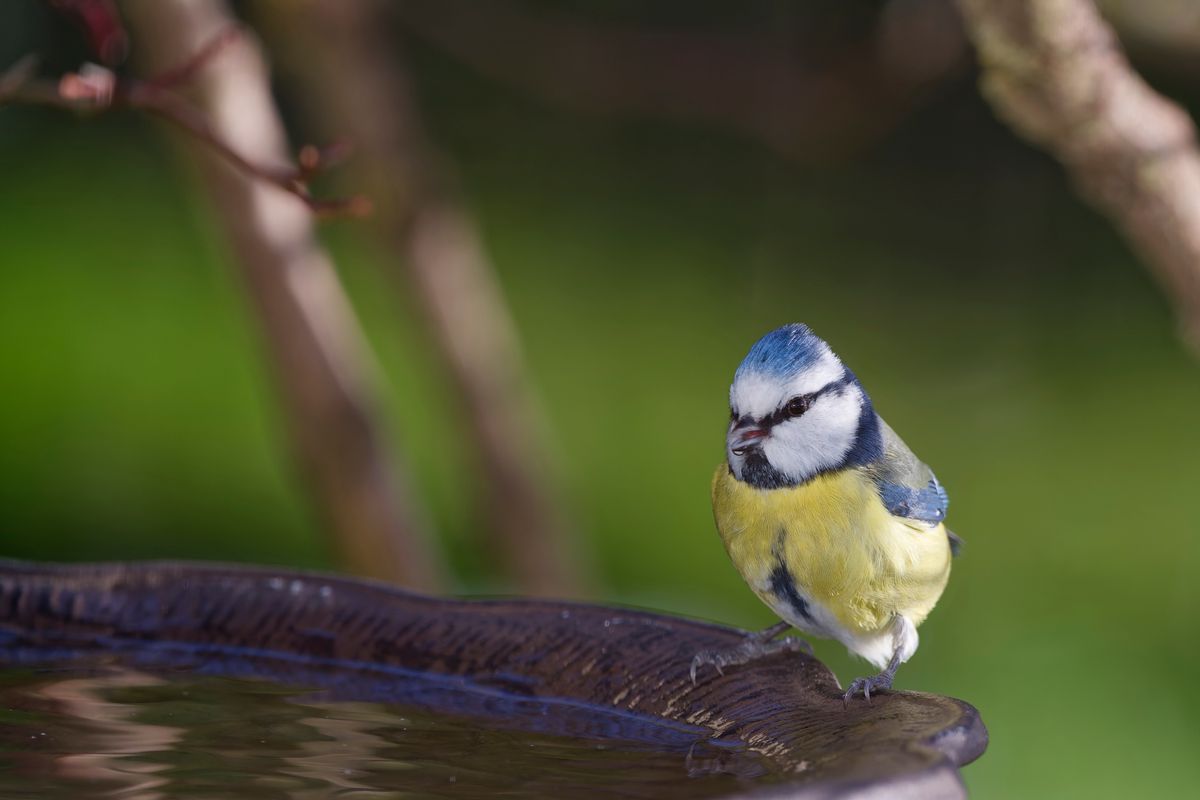
During a hot spell, clean water should remain easy to reach without requiring birds to cross a busy exposed area. Check the basin at different times, because evaporation and heat change conditions through the day. A bowl that is suitable at dawn may be nearly dry later. Keep the depth shallow and the footing stable rather than solving evaporation by using an unsuitable deep container. If several basins are used, each needs cleaning and inspection. Expanding beyond what you can maintain creates more dirty surfaces rather than a reliable resource for wildlife.
Offer shade with visibility
A sheltered spot can remain cooler, but dense low growth beside water may conceal predators. The location needs both comfort and a clear approach. Use partial shade while keeping the immediate edge open and visible. Look at the setting from ground level as well as from indoors.
Shade is most useful when the approach remains safe. Examine the patch as the sun moves; a location described as shaded may receive intense reflected heat from a wall in the afternoon. Nearby vegetation should provide retreat without concealing a predator immediately beside the water. Avoid shifting the basin repeatedly during active visits. Find a workable position and maintain it consistently. If the only shaded location is inaccessible or unsafe, consider a different simple container and arrangement. The design should balance temperature, visibility, stability, and maintenance rather than optimizing only one of those features.
Prevent food from spoiling
Heat and moisture can alter food quality rapidly. Large quantities of uneaten food create waste and attract unwanted visitors. If feeding is appropriate locally, offer only an amount that stays fresh. Discard spoiled material rather than mixing it into new food.
Food safety requires attention to both the feeder and its storage. Warmth does not make dry food safe indefinitely if moisture enters the container. Check for clumping and spoilage before refilling, and discard doubtful material. Follow current local guidance about whether feeding is appropriate, including any disease-related restrictions. Do not assume birds need concentrated high-energy extras simply because the weather feels difficult. Habitat and clean water may be more appropriate contributions. If feeding is continued, keep quantities manageable and clean equipment thoroughly so that heat-related care does not inadvertently increase shared-surface risks.
Protect established vegetation
A mature shrub moderates conditions and provides shelter, while severe pruning can remove both at once. Plants also support invertebrate food sources. Delay nonessential heavy pruning and maintain plants appropriately during drought. Avoid disturbing any active nest while working around stressed vegetation.
Gardening during heat can unintentionally remove useful refuge. Heavy pruning may expose previously shaded areas, while tidying every patch of leaf litter can reduce invertebrate habitat. Distinguish essential safety work from cosmetic work that can wait. Check for active nests before approaching dense vegetation and follow local protection rules. Care for the plants themselves according to their requirements and water restrictions. A stressed plant may need appropriate support, but broad chemical treatment without a diagnosis is not a helpful general response. Retaining healthy established structure is often the most practical immediate habitat measure.
Reduce disturbance at resting sites
Birds may spend more time in shade during the hottest part of the day. Repeatedly flushing them forces unnecessary movement. Keep noisy gardening and close observation away from heavily used resting areas. A bird sitting quietly is not an invitation to approach.
Observe resting birds without repeatedly making them move. A quiet corner may be serving a function that is not obvious from indoors. Schedule nonessential noisy work for another place or time when possible, and keep pets separated. Photography should not turn a shaded refuge into a site of repeated disturbance. If you need to inspect a nearby feature, do so briefly and predictably. The point is not to keep the entire garden unused by people, but to recognize heavily used resting areas and avoid unnecessary interruptions during conditions when shade and quiet are especially valuable.
Be cautious with unfamiliar distress
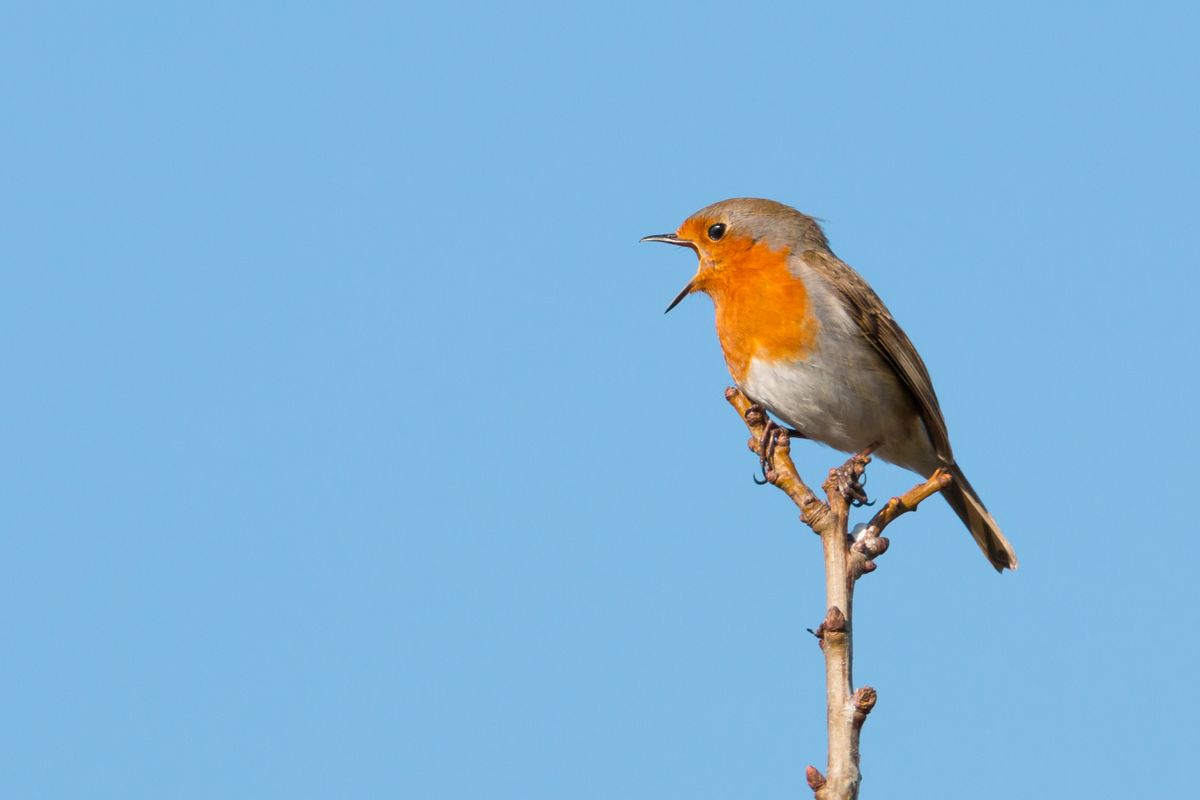
Open-bill breathing can have several causes, and distant observation cannot diagnose illness. A grounded or unresponsive bird needs qualified guidance. Contact a local wildlife rehabilitator when a bird appears injured or unable to escape. Do not attempt home treatment or give liquid directly into the bill.
Heat-related concern can tempt people to improvise rescue measures. Do not splash a bird with water, force it to drink, or hold it for a photograph. A bird that appears injured or unable to move normally needs advice from a qualified local rehabilitator, who can explain a safe response for the species and situation. Keep the immediate area quiet and prevent access by pets. Describe visible behavior and conditions rather than diagnosing heatstroke yourself. The distinction between offering a well-maintained garden resource and treating an individual animal is important; the latter requires specialized knowledge.
Prepare for the next heat spell
A spare clean basin and a convenient water source make daily care easier. Last-minute arrangements are often unstable or difficult to maintain. Set up a simple routine before exceptionally hot weather arrives. Keep the arrangement manageable enough that it can remain clean every day.
After the weather eases, review which tasks became difficult. A heavy basin, an exposed water source, or a long walk for refills may have made consistency harder. Adjust the practical setup before the next spell rather than waiting until it is urgent. Store a clean spare dish and keep maintenance equipment accessible. Do not introduce complex automated equipment unless you can install and inspect it safely. A simple backup plan is often enough. The best preparation makes ordinary care dependable while allowing you to respond to local weather and current wildlife guidance.
A garden during a prolonged hot spell
Imagine a small garden where the only water dish stands in full afternoon sun. Before buying a larger feature, check whether a nearby partly shaded position offers a clear approach and can be maintained easily. Empty and clean the dish, then monitor the new location during the hottest period. The point is to keep water usable and accessible. A larger basin that becomes dirty or cannot be emptied safely would not necessarily improve the arrangement.
Look at the rest of the garden as refuge. Dense planting can offer shade, while a recently cleared border may leave birds with fewer resting places. Avoid heavy nonessential pruning during the hot spell, particularly where birds are using cover. Water plants according to their needs and local restrictions, keeping hoses and other equipment from blocking routes. A useful response to heat is often to preserve existing shade and quiet rather than repeatedly moving objects around the most active area.
If supplemental food is appropriate under local guidance, check it more closely than usual. Warm damp conditions can create problems in hidden parts of a feeder. Smaller fresh quantities may be easier to supervise than a large supply left untouched for days. Remove spoiled material and clean the equipment properly. Do not add rich kitchen leftovers in the hope of helping birds through the heat; unsuitable food creates additional risks and does not address the need for clean water and shelter.
Distinguish ordinary distant observation from an attempt to assess a sick animal. A bird resting in shade should not be chased to see whether it can fly. If you find a bird that is visibly injured, unresponsive, or unable to move away, keep pets and people back and seek qualified wildlife advice. Describe the behavior and location clearly. Do not pour water over the bird or force it to drink. Appropriate professional instructions are safer than an improvised rescue based on assumptions.
Water care when household routines change
Hot weather sometimes coincides with holidays or altered working hours. Plan who will check water during the warmest period rather than assuming a morning visit covers the whole day. If a helper is involved, demonstrate how to empty, scrub, rinse, and refill the basin. Keep dedicated tools accessible and the instructions brief. Explain any local wildlife-health advice that affects shared water sources. A simple arrangement is easier to hand over than a decorative system with hidden reservoirs and unfamiliar electrical parts.
If the basin cannot be maintained, leave it empty rather than allowing an unattended dirty source to persist. Do not install an untested automatic refill as a last-minute substitute for inspection. A device can fail, leak, or keep adding fresh water to an unclean bowl. Automation may assist a well-designed system, but it does not remove the need to inspect surfaces and conditions. Choose a practical plan that a person can verify.
After the heat spell, clean and inspect spare equipment before storage. Note which locations stayed usable and which became problematic. That information can guide modest improvements before the next event. A tree or shrub planted appropriately may eventually improve shade, but it will not provide immediate cover while young. Combine long-term planting with manageable present-day care. The useful outcome is a garden that becomes easier to maintain safely, rather than a collection of emergency purchases that are forgotten once the weather changes.
Further reading
Use these independent resources to explore the subject and check guidance for your location.