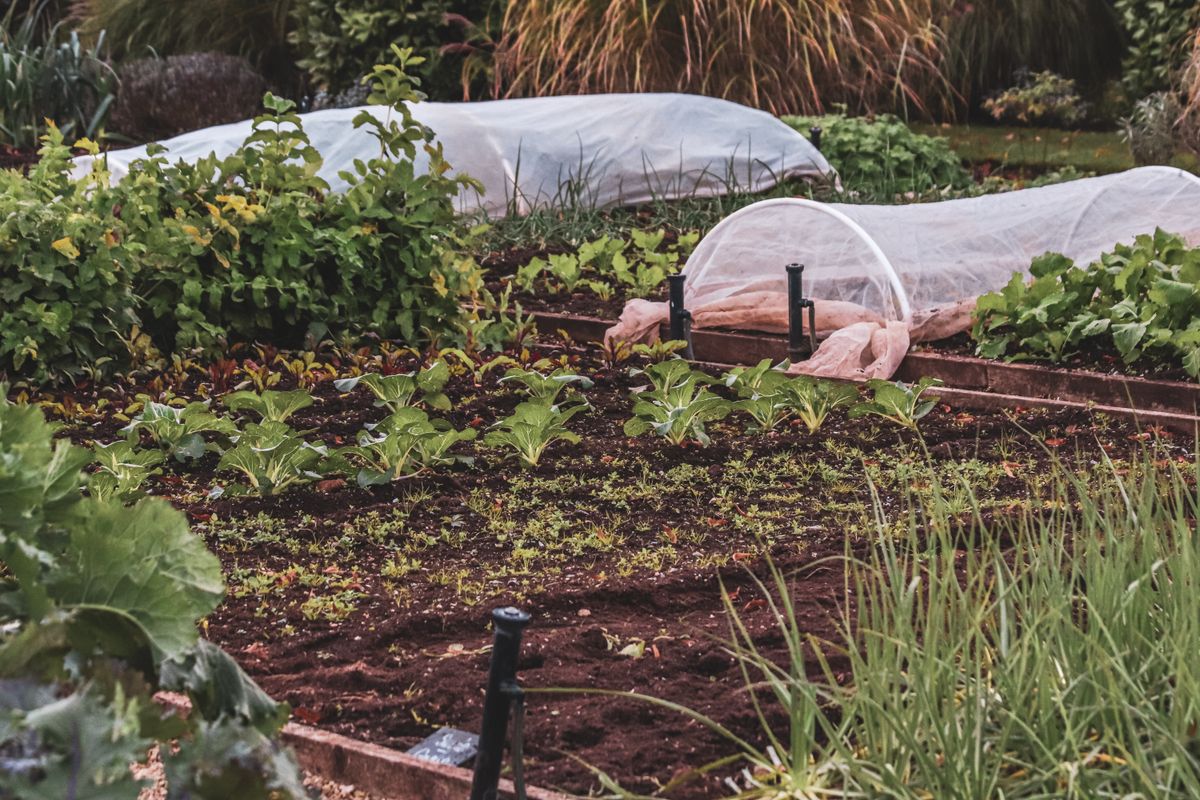
A Pollinator Patch for a Small Outdoor Space
Build a compact pollinator patch with a succession of suitable flowers, accessible flower shapes and undisturbed habitat.
Updated
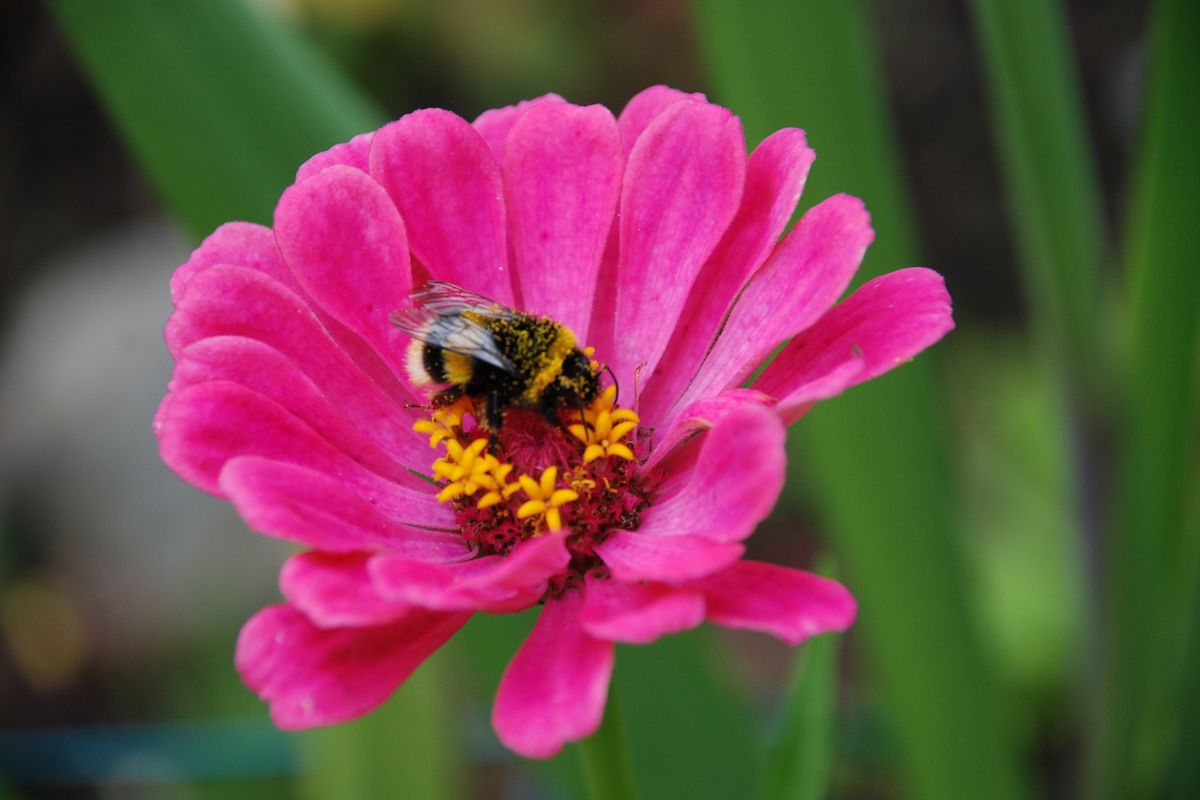
Choose locally suitable plants that flower at different times, establish them well and provide habitat while avoiding routine pesticide use.
Start with a season of flowers, not a packet of promises
A pollinator patch can be a few well-chosen containers, a narrow border or a corner allowed to grow more freely. Its value depends less on its size than on what it provides over time. A spectacular flush of flowers for two weeks leaves a long gap afterwards. Plan for a sequence of flowering, different flower shapes and a place where plants can establish without repeated disturbance. The best first step is to watch what already visits your outdoor space.
Spend a few quiet minutes on a mild day looking at existing flowers. Notice which plants receive visitors, at what time and whether the insects can reach the flower centres. Do not judge a plant from one cold or windy afternoon. Local weather affects activity, and different insects use the same garden at different times. These observations help you add useful resources rather than simply buying whatever carries the most enthusiastic wildlife label.
Match the plants to the site and region
Measure the available light, inspect the soil and consider summer dryness before choosing species. A sun-loving flower that struggles in deep shade produces fewer useful blooms, however attractive its description. In a container, account for root volume and watering access. A pollinator garden that dries out whenever you are busy is less reliable than a smaller group of plants suited to the conditions you can maintain.
Use local native-plant resources and regional horticultural guidance to select suitable species. Native plants can support relationships with local insects that a generic international seed mix may not address. Some non-native garden plants also provide accessible nectar or pollen, but avoid species known to spread invasively in your area. The same plant can be a manageable ornamental in one climate and an ecological problem in another. Check the actual species name rather than relying on a cheerful common name on the packet.
Fill the gaps around the main display
Think in early, middle and late flowering periods for your climate. Write down what already flowers in each period, then add plants where the list is thin. In a temperate garden, an early bulb or flowering shrub may support visitors before summer annuals are ready, while a late perennial can extend resources after the main border fades. In other climates, dry and wet seasons may be more useful planning divisions than spring and autumn.
Choose a modest number of reliable plants rather than one specimen of everything. A group creates a more noticeable resource and is easier to maintain. It also lets you see whether the species genuinely fits your site. If one selection flowers poorly despite appropriate establishment care, replace it with something better adapted rather than repeatedly fertilizing a mismatch. Flowering time on a label is approximate; your own observations will refine the sequence over the next year.
Make the flowers accessible
Some highly doubled flowers offer little accessible pollen or nectar because their structure has been altered toward dense petal displays. Single or open-centred forms are often a useful choice, although flower value varies by plant and visitor. Include a range of shapes rather than assuming one form serves every insect. Short-tongued visitors and insects that reach deeper flowers do not use every bloom in the same way.
Avoid building the whole patch around colour alone. A white or yellow flower may receive as much useful activity as a vivid purple one, depending on species and conditions. Watch where visitors feed and whether they move between flowers effectively. You do not need to identify every small fly or solitary bee before making progress. Clear photographs and a reliable local identification resource can gradually deepen your understanding without making the planting dependent on expert-level insect knowledge.
Establish roots so flowers can follow
Prepare the soil by removing persistent weeds and selecting plants suited to the underlying conditions. Do not enrich every site heavily. Some meadow-style plants compete poorly in very fertile ground, while a conventional perennial border may benefit from appropriate organic matter. Follow the needs of the chosen plant community rather than treating all wildlife planting as a single method. A seed meadow, a shrub border and a set of balcony pots are different projects.
Water new plants thoroughly and continue checking them during establishment. Drought-tolerant once established does not mean independent of water on the day of planting. Space plants for their mature width so they can develop without immediately smothering one another. For containers, use suitable growing medium and drainage, and keep the pot stable. The ecological intention does not remove the ordinary horticultural work that keeps the plants healthy enough to flower.
Keep pesticides out of the routine
A patch intended for insects should not be managed with automatic insecticide applications. First identify damage and decide whether intervention is necessary. A few chewed leaves are often compatible with a functioning garden. Physical removal of a localized problem, better spacing or a different plant choice may be more appropriate than a broad treatment. If a regulated product is genuinely required, follow its label and obtain suitable local advice about its use around flowering plants and pollinators.
Be cautious with homemade mixtures too. A spray made from familiar kitchen ingredients can still harm plant tissue or insects. Natural is not a reliable measure of selectivity or safety. Ask suppliers about how plants were grown if that is relevant to your purchasing decision, and avoid treating newly purchased flowering plants casually once they arrive. Good plant health, accurate identification and tolerance of modest cosmetic damage reduce the pressure to reach for a bottle.
Add habitat beyond the flowers
Adult insects visiting flowers are only one part of the picture. Some need particular plants for their young, undisturbed ground, hollow stems or sheltered places to overwinter. Leave a little variety in the garden structure rather than clearing every stem and leaf as soon as flowering ends. Retain suitable standing stems where they are safe, and keep a patch of ground free from constant digging if local nesting insects use it.
An insect hotel is optional, and a poorly designed or neglected one is not automatically beneficial. If you use one, choose a design supported by reputable local guidance and understand its cleaning or replacement requirements. Avoid treating it as a decorative object whose occupants never need consideration. A garden with appropriate plants, a range of small habitat features and reduced disturbance can be valuable without any purchased wildlife furniture.
Offer water without creating a neglected pool
A shallow, stable water source can be useful in hot weather, but it needs regular attention. Provide safe footholds and keep it clean, replenishing with fresh water rather than allowing a stagnant bowl to accumulate debris. Position it where you can reach it easily. A feature that is attractive during installation but forgotten afterwards can become a nuisance, especially where mosquitoes breed readily.
Do not add sugary mixtures to the garden as a general substitute for flowers. Providing appropriate flowering plants is a more durable approach to feeding a range of visitors. Avoid sticky traps or open containers that can capture insects unintentionally. If you find an injured or apparently exhausted insect, use advice from a reputable local wildlife organisation for that specific situation instead of generalizing a rescue tip into a permanent feeding station.
Maintain the patch in stages
Deadheading can extend flowering in some garden plants, while leaving other seedheads provides food and structure. Use a mixed approach rather than cutting everything at once. If a large patch needs mowing or trimming, retain some refuge while the rest is managed, where the design and local guidance allow it. Check for active wildlife before cutting. Avoid disturbing nests, and follow local protections when they apply.
Remove invasive weeds before they take over, but learn which seedlings belong to your chosen planting. A young desirable perennial can look unremarkable beside vigorous grass. Mark plant positions during establishment and photograph the developing patch. If an annual mix becomes sparse after its first display, investigate the species' life cycles and soil preparation needs. Adding another packet without understanding the previous result can leave you with repeated expense and little lasting habitat.
Measure usefulness with ordinary observations
Keep a simple monthly note of what is flowering and which plants receive visitors. Use comparable times and weather when possible; a cool evening and a warm midday are not a fair comparison. You can count visits for a short fixed period if you enjoy it, but do not turn a small garden into a competition with misleading totals. The practical question is whether there are resources through more of the season and whether the plants are healthy enough to sustain them.
At the end of the year, choose one gap to improve. Perhaps the patch has abundant midsummer flowers but little before them, or perhaps containers dry before their buds open. Address that specific limitation with a suitable plant or a better watering arrangement. Small, persistent improvements build a more useful space than a complete redesign every season. A pollinator patch succeeds when its flowers and habitat become dependable parts of the local landscape, even if that landscape is only a few square metres.
Share surplus divisions only after checking that they are healthy and suitable for the recipient’s region. Giving away a locally appropriate, well-labelled plant can extend the benefits beyond your own boundary without creating another unmanaged planting.
Further reading
Use these independent resources to explore the subject and check guidance for your location.