Cleaning Houseplant Leaves Without Oils or Shine Sprays
Remove dust from different leaf surfaces gently, using appropriate tools and clean water instead of oils and cosmetic shine products.
Updated
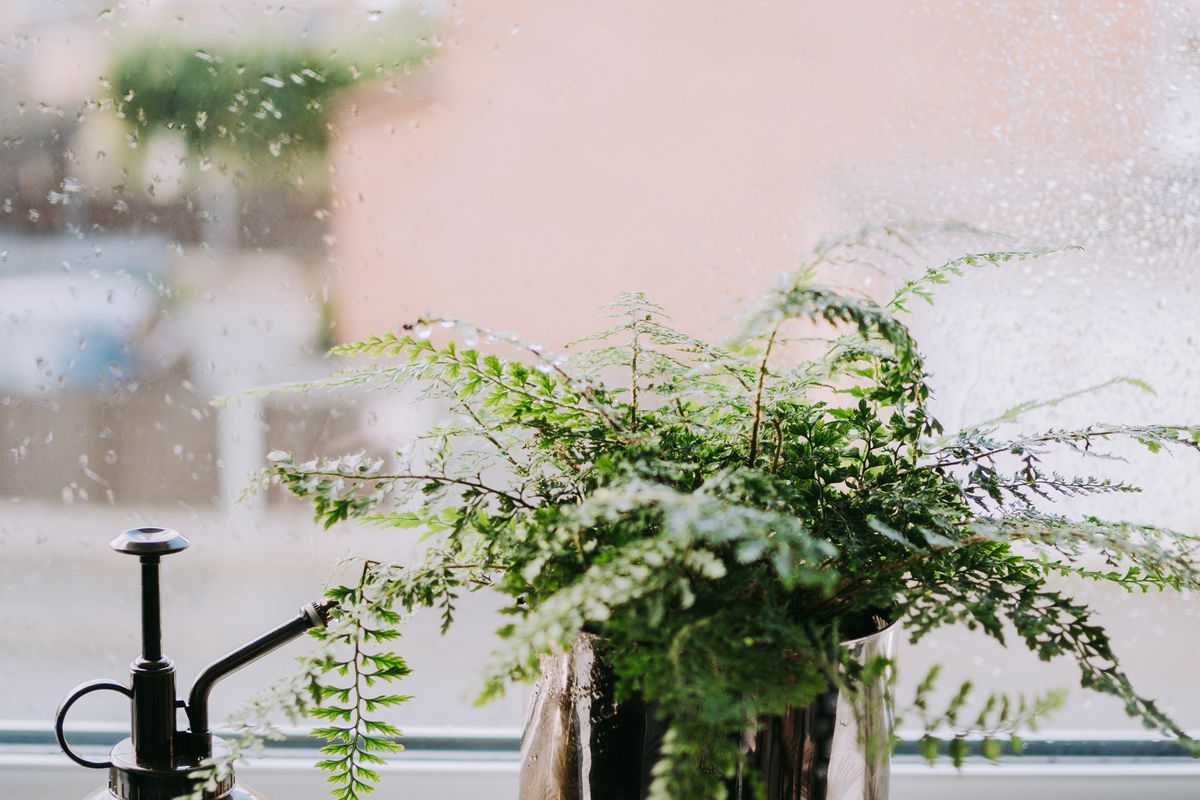
Support a smooth leaf from beneath and wipe gently with a damp cloth. Rinse the cloth often so grit is not dragged across the surface.
Start by deciding whether the leaf needs cleaning
A light layer of household dust is different from sticky residue, pest debris or a natural powdery coating. Before reaching for a cloth, inspect the surface and identify the plant. A cleaning method suitable for a large smooth leaf may damage a fuzzy or wax-coated one.
Look at both sides in good light. If the marks form an unusual pattern, spread between plants or appear with webbing and small attached bumps, investigate pests or disease rather than treating the issue as ordinary dust. Cleaning can remove evidence that would have helped identify the problem.
There is no need to polish spotless foliage every week. Repeated rubbing creates work and may damage delicate surfaces. Clean when dust is visible or after an event such as nearby building work, and use the opportunity for a careful health inspection.
Gather a simple set of materials
For many smooth-leaved plants, a soft clean cloth and room-temperature water are enough. Keep a second cloth or protected tray nearby for drips. A basin of clean water lets you rinse grit out rather than dragging it from leaf to leaf.
Avoid rough paper towels, abrasive sponges and household cleaners. The fact that a product leaves furniture shiny does not make it appropriate for living foliage. Do not improvise a mixture of cleaning chemicals, oils and fragrances.
Choose a place where the pot can remain stable. Large heavy plants are often safer to clean in position, one leaf at a time, rather than carrying them into a bathroom. Protect nearby sockets, equipment and absorbent surfaces from splashes.
Support a smooth leaf from underneath
Place one hand beneath the leaf so the cloth does not bend it sharply against its own weight. Wipe gently from the base toward the tip, following its natural shape. Use only enough pressure to lift dust; firm scrubbing does not improve the result.
Rinse the cloth frequently. Dust can contain gritty particles, especially after renovation work or an open-window period near traffic. A dirty cloth can leave streaks or scratch tender surfaces. Change the water when it becomes visibly soiled.
Work around existing tears and weak areas rather than pulling them wider. An old split remains part of the leaf. Cleaning should leave the plant looking natural, not force every surface into a uniformly glossy condition.
The underside is an inspection opportunity
Turn or support the leaf carefully and look along the veins, near the leaf stalk and at protected junctions. Pests can remain hidden on undersides while the upper surface appears normal. Fine webbing, sticky patches and unusual bumps deserve closer attention.
Do not crush unknown structures and assume the problem has been solved. Identify what you are seeing, isolate an affected plant where practical and use appropriate guidance. Some harmless plant features can be mistaken for pests, so good photographs are useful.
If you confirm an infestation, cleaning alone may not address eggs or pests hidden elsewhere. Follow a treatment suitable for the species and the product label. Keep treatment equipment separate from ordinary cleaning materials where that helps prevent accidental spread.
Hairy leaves need a different approach
A cloth can flatten hairs, trap moisture and leave marks on fuzzy foliage. Research the species before applying water across the leaf. A very soft dry brush may be appropriate for some plants, but the method should be gentle and specific rather than a universal instruction.
Support the plant so the brush does not bend thin stems. Work in short light strokes and stop if hairs or tissue are being removed. Do not attempt to scrub a leaf smooth; its surface structure is part of the plant.
Keep dust control around these plants in mind. Cleaning the shelf, reducing nearby airborne debris and avoiding unnecessary handling may be more effective than repeatedly trying to wash a sensitive leaf. A naturally matte appearance is not dirt.
Leave natural bloom where it belongs
Some succulents and other plants have a pale waxy or powdery bloom on their leaves. This can be a protective feature rather than a coating to remove. Fingerprints and rubbed patches may remain visible after handling.
Identify the plant before wiping away a surface that looks unusual. Compare untouched new growth with older handled leaves and consult a reliable species guide. A dusty-looking color that is even and characteristic may be entirely normal.
When moving these plants, hold the pot rather than the leaves. Give them enough space that neighboring foliage and curtains do not repeatedly brush the surface. Preventing contact is easier than repairing a coating that may not return on the existing leaf.
Why oils and kitchen ingredients are poor shortcuts
Mayonnaise, cooking oil and similar household ingredients can make a leaf look shiny for a while, but they leave residue and can attract dust. Their appearance does not demonstrate healthier foliage. A plant’s natural finish may be satin, matte or waxy rather than glossy.
Commercial leaf-shine products also deserve caution and species-specific guidance. They are unnecessary for ordinary dust removal, and not every leaf surface tolerates them. Read instructions carefully if using a product rather than assuming that a spray labeled for plants suits every houseplant.
If an unsuitable substance has already been applied, avoid adding another mixture to counteract it. Identify what was used and seek appropriate advice. Aggressive washing can cause further damage, particularly on sensitive or hairy leaves.
A shower is optional, not essential
Some manageable smooth-leaved plants can be rinsed gently, but carrying a large pot to the shower introduces lifting and drainage issues. Make sure the plant is stable and the water is mild rather than forceful or hot. Protect the mix from being washed out.
Check whether water can collect in crowns, rosettes or tight leaf bases. Species differ in how they tolerate this. Allow appropriate drying and ventilation afterwards rather than returning a dripping plant to a cold closed corner.
Do not use the shower as an excuse to water a root ball that is already wet. Leaf cleaning and root watering are separate decisions. If the mix needs to remain drier, use a controlled cloth method or protect it carefully while working.
Hard-water marks are not always dust
Pale mineral spots can remain after droplets evaporate. They may be especially noticeable on dark glossy leaves. Before using an acidic cleaner, confirm the cause and the plant’s tolerance; a general household descaling method is not automatically safe for foliage.
Prevention may be easier. Avoid unnecessary misting with hard water and wipe suitable smooth leaves gently before droplets dry. Consider the water source where a species is known to be sensitive, using reliable guidance rather than assuming all bottled water is equivalent.
Do not keep rubbing a stubborn mark until the leaf is damaged. An imperfect old leaf can continue functioning. If the plant is otherwise healthy, reducing future deposits is often more useful than pursuing a flawless finish on existing foliage.
Clean the space around the plant
Dust on a shelf quickly returns to nearby leaves. Move manageable pots safely and wipe the surface, pot rim and saucer. Remove fallen material that can conceal pests or make small leaks harder to notice.
Inspect the decorative outer pot for standing water. A cleaning session is a useful chance to catch runoff trapped beneath an inner container. Empty it and check whether the normal watering routine leaves water there repeatedly.
Return the plant to a stable position with enough air and light around its foliage. Avoid crowding it tightly against other plants simply to hide a damaged leaf. Good spacing makes the next inspection and cleaning session easier.
Keep track of new damage after cleaning
If a leaf develops marks following cleaning, consider pressure, water temperature, residue and subsequent sun exposure. A wet plant moved into hot direct sun may experience conditions quite different from its usual position. Record what was used before trying another method.
Test unfamiliar methods on a small inconspicuous area where appropriate and wait to observe the response. This is especially important with sensitive foliage or a product the plant has not encountered before. A lack of immediate damage is not proof of universal safety.
Healthy new growth is a better measure of plant care than a temporary shine. Cleaning supports observation and removes accumulated dust; it does not compensate for weak light, poor drainage or a root system left permanently wet.
Make the routine brief and selective
During ordinary watering checks, glance at the leaves and clean only what needs attention. A few large smooth leaves may take minutes; a complex fuzzy plant may be best left alone while the surrounding area is kept tidy. Match the effort to the surface.
Keep cloths clean and wash them between suspect plants. Work on healthy plants before plants with known problems to reduce accidental transfer. Store cleaning materials where they will not be confused with household chemical cloths.
The desired result is an undamaged plant with its natural appearance intact. Support the leaves, use a gentle suitable method and stop when the dust is gone. The plant does not need to look polished to be healthy.
After building work or a very dusty event
Construction dust may include substances more irritating than ordinary household dust. Keep plants out of the work area where possible and protect people as well as foliage. If a plant has been heavily coated, identify the likely material before brushing it into the air. Seek appropriate advice for contaminated or hazardous dust rather than treating it as a routine polishing job. Clean the surrounding surfaces so the same particles are not immediately deposited again.
Further reading
Use these independent resources to explore the subject and check guidance for your location.