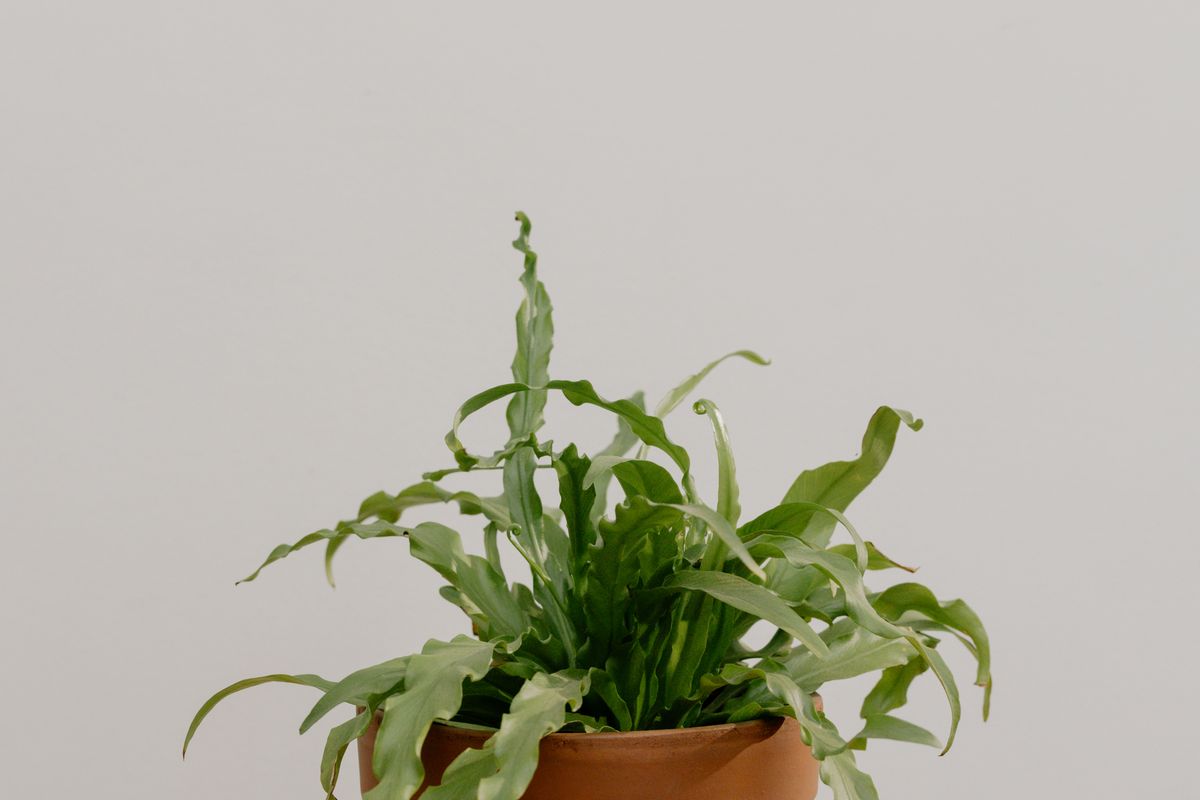
Watering Houseplants by Evidence, Not by the Calendar
Use root-ball moisture, pot weight, and plant conditions to decide when to water, then drain the container properly.
Updated
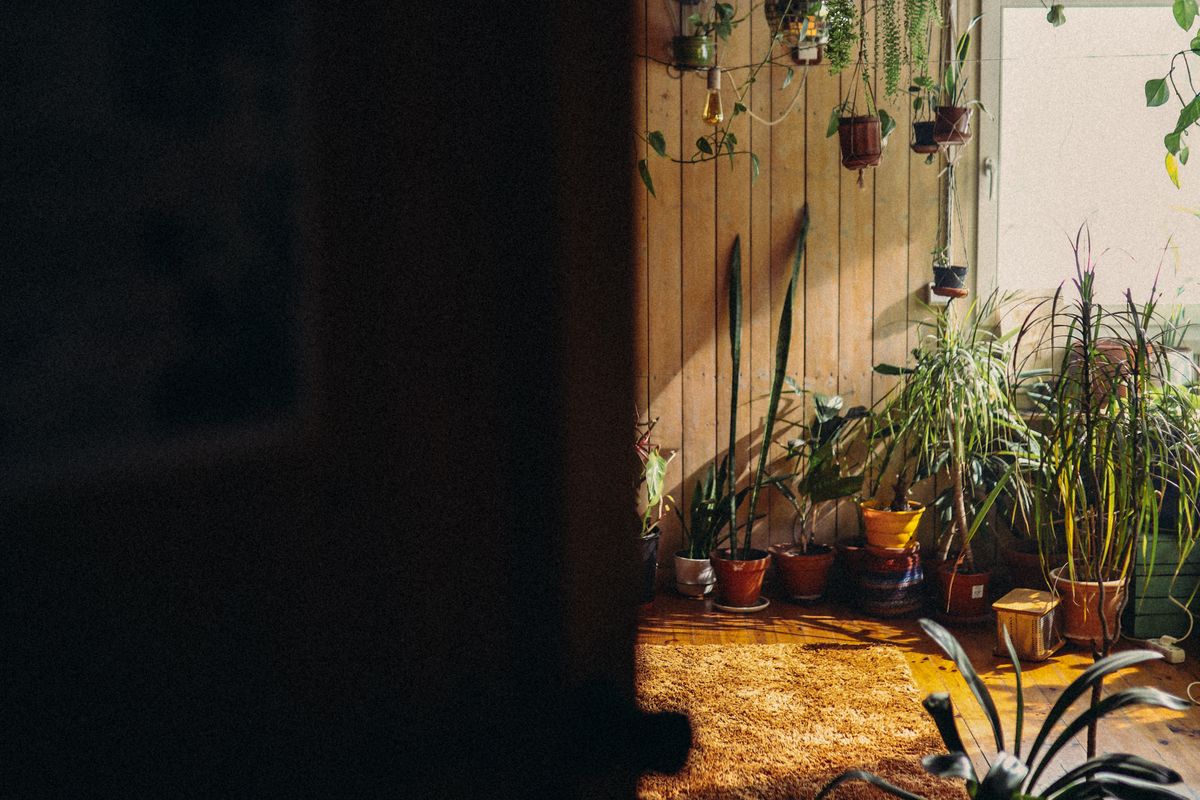
Water slowly across the surface until excess drains freely, then empty the saucer or decorative outer pot. Give a very dry mix time to absorb water.
Why a weekly watering day keeps failing
A windowsill changes through the year even when the plant never moves. Sunlight reaches farther into a room in one season, heating comes on in another, and a new curtain changes how much useful light reaches the leaves. Roots respond to those conditions. A routine that worked in warm bright weather may leave the same pot wet for too long when growth slows.
A calendar is still useful for remembering to look. The change is to schedule an inspection rather than an automatic drink. On the inspection day, check the plant, the mix and the drainage before deciding whether water is needed. Some pots will need water; others can wait. This small distinction solves a surprising number of recurring problems without requiring a new product.
Different species also need different drying patterns. A moisture-loving fern and a thick-leaved succulent should not be forced onto the same interval. Learn the plant’s identity first, then use the following checks to decide when its preferred range has been reached.
Learn the weight of this particular pot
Pot weight gives you a way to assess moisture throughout the container rather than only at the surface. Lift a manageable pot before watering. After a thorough watering and complete drainage, lift it again. The difference can be substantial, especially in a plastic container. Repeat this a few times and the feel becomes a practical reference.
Heavy ceramic pots make the change harder to judge. For those, combine a careful tilt with a probe or finger check. Do not drag a large container by the plant stem or lift it in a way that strains your back. A plant trolley can make access easier, but it should have a stable base and wheels that lock where necessary.
Compare a pot with itself rather than with its neighbor. Terracotta, glazed ceramic and plastic have different weights. Two equally heavy pots may contain quite different amounts of available water. The reference you are building belongs to one container and one root ball.
Look below the dry-looking surface
The top of a pot is exposed to air and can dry well before the lower root zone. Push a finger gently into the mix where roots will not be damaged, or use a wooden probe to inspect moisture deeper down. Damp mix may feel cool and cling to the probe. Dry gritty material usually leaves less evidence.
This is not a perfect test. Coarse bark, dense peat-based mixes and recently repotted root balls behave differently. A probe inserted beside the original root ball may report the moisture of fresh compost while missing a dry core. Check more than one position if water seems to run through without benefiting the plant.
Avoid stabbing repeatedly through a crowded root system. The goal is a useful sample, not a thorough excavation. In a small pot, weight and a light surface check may be enough. In a very large container, inspect the drainage and learn how the lower zone behaves before deciding that a dry top requires another full watering.
What drooping leaves can and cannot tell you
Leaves lose firmness when the plant cannot maintain its water balance. Dry roots are one explanation. Damaged roots sitting in wet, poorly aerated compost can produce a similar appearance because they are no longer taking up water effectively. Heat can also cause a temporary mismatch between water loss and uptake.
Check the mix before reacting to the leaves. A light pot with dry compost supports the case for watering. A heavy pot with wet compost calls for a different investigation: trapped water in the outer pot, blocked drainage, an unsuitable mix or root damage. Adding another drink to that situation can extend the problem.
A plant that remains limp after the root ball has been appropriately watered may need closer inspection. Do not respond with repeated watering every few hours. Record when the symptom began, whether the plant was moved and how the compost feels. Those facts are more useful than the leaf posture alone.
How to water the whole root ball
When the plant actually needs water, apply it slowly over the surface rather than pouring against one side. Pause as necessary to let the mix absorb it. Water should reach the root ball and excess should leave through the drainage holes. A little runoff does not prove that a very dry center has become wet.
Severely dried mixes can shrink away from the pot wall or become difficult to rewet. In that case, several slow passes may work better than one fast pour. A brief supervised bottom soak can help some pots rehydrate, but remove them afterwards and drain thoroughly. Do not turn a temporary technique into permanent standing water unless the plant is being grown in a system designed for it.
After watering, return the container to a stable position and check again for delayed runoff. Water that collects inside a decorative pot may be invisible from above. Lift the inner pot to inspect rather than assuming that an empty-looking rim means the base is dry.
Why tiny daily splashes are hard to manage
A splash wets the easiest route through a pot, which is not necessarily where the active roots need it. The surface can remain damp while the lower core stays dry, or a small section can receive frequent water while the rest never hydrates properly. This makes both the plant and the next moisture check harder to interpret.
Thorough watering followed by an appropriate drying period is easier to assess for many common houseplants. The exact drying period depends on the species and conditions; it does not mean allowing every plant to become bone dry. Ferns, orchids and succulents need different approaches to the same basic question of water and air around roots.
Newly rooted cuttings and very small seedlings can require more delicate handling because their roots occupy a shallow area. Treat those as a separate group. A method that is appropriate for a tiny propagation pot should not automatically become the routine for a mature plant in a large container.
Drainage is an arrangement, not just a hole
A pot can have drainage holes and still remain waterlogged. Holes may be blocked, the pot may sit flat in a saucer of water, or a tightly fitted outer container may trap runoff. Check the whole arrangement from compost to saucer. Water needs an unobstructed way out, and air needs a way back into the root zone.
A layer of stones at the bottom does not turn a holeless decorative vessel into a reliably draining pot. Use a draining inner container and empty the outer vessel instead. This also makes it easier to inspect roots or change the display without disturbing the plant.
Be cautious when grouping several plants inside one long trough. A wet area at one end can be hidden by a dry area at the other. Keep plants in separate inner pots where their water requirements differ. Similar-looking foliage does not guarantee that the roots want the same conditions.
Adjust the interval after a change
Repotting, pruning, moving to a brighter window and switching on indoor heating can all change the drying pattern. After any of these events, check the pot more frequently for a while. More frequent checking does not necessarily mean more frequent watering; you are learning a new pattern.
Fresh mix around a small root ball may stay damp longer than the old root-filled pot did. Conversely, a plant moved into more useful light may begin to use water faster as growth increases. A fixed volume and interval carried across both changes ignores what is happening below the leaves.
Keep the plant’s recent history in mind when a routine suddenly stops working. Ask what changed in the room before assuming that the plant has developed a mysterious problem. A radiator beside the pot or a newly shaded window often explains more than a complicated diagnosis.
A short record that is actually worth keeping
For a few weeks, write down the date, how the compost felt and whether the pot was light or heavy before watering. Add a note if you moved the plant, repotted it or noticed a marked change in weather. There is no need to record every leaf or turn plant care into a spreadsheet.
Look for a range rather than a deadline. You may find that a pot commonly needs water after several days in one season and after much longer in another. That pattern tells you when to begin checking carefully. It does not oblige you to water if the root zone is still appropriately moist.
The best outcome is a routine that becomes simpler. Once you know the plant, container and location, you can make a quick informed decision and leave it alone. Healthy growth, reasonable drainage and a predictable drying pattern are better goals than never allowing a single old leaf to yellow.
Water quality and temperature without unnecessary rituals
Use water at a comfortable room temperature rather than very hot or icy water. Most ordinary houseplant watering does not require an elaborate ritual, but local water chemistry and species sensitivity can matter. Some plants are less tolerant of mineral accumulation than others. Research a recurring leaf-tip problem with the plant identity and water source in hand.
Leaving tap water in a jug is not a universal way to remove every treatment used by a water supplier. If a species has particular water-quality requirements, check the supplier’s information and reliable species guidance. Avoid assuming that bottled drinking water, softened water and collected rainwater are interchangeable. Each can have its own limitations.
Further reading
Use these independent resources to explore the subject and check guidance for your location.