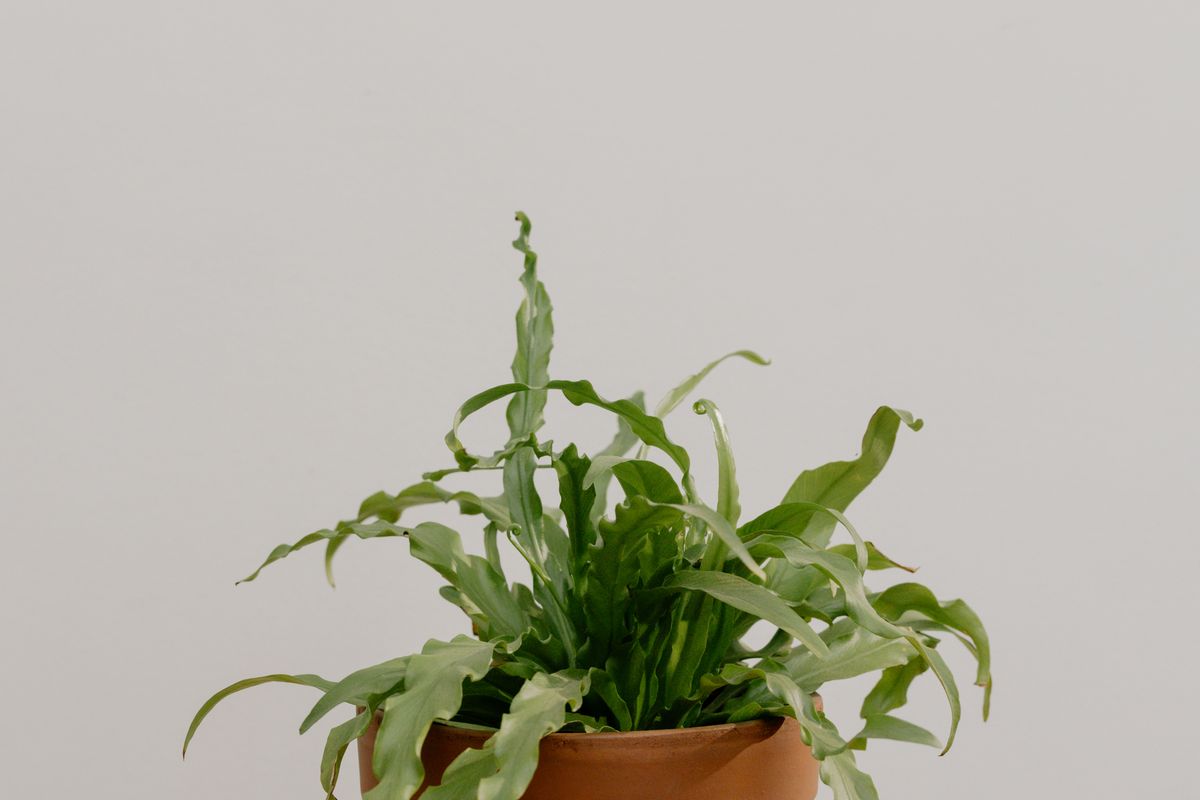
A Pothos That Grows Well Instead of Merely Surviving
Give pothos enough light for compact growth, manage watering through the root ball, and train or prune stems with a clear purpose.
Updated
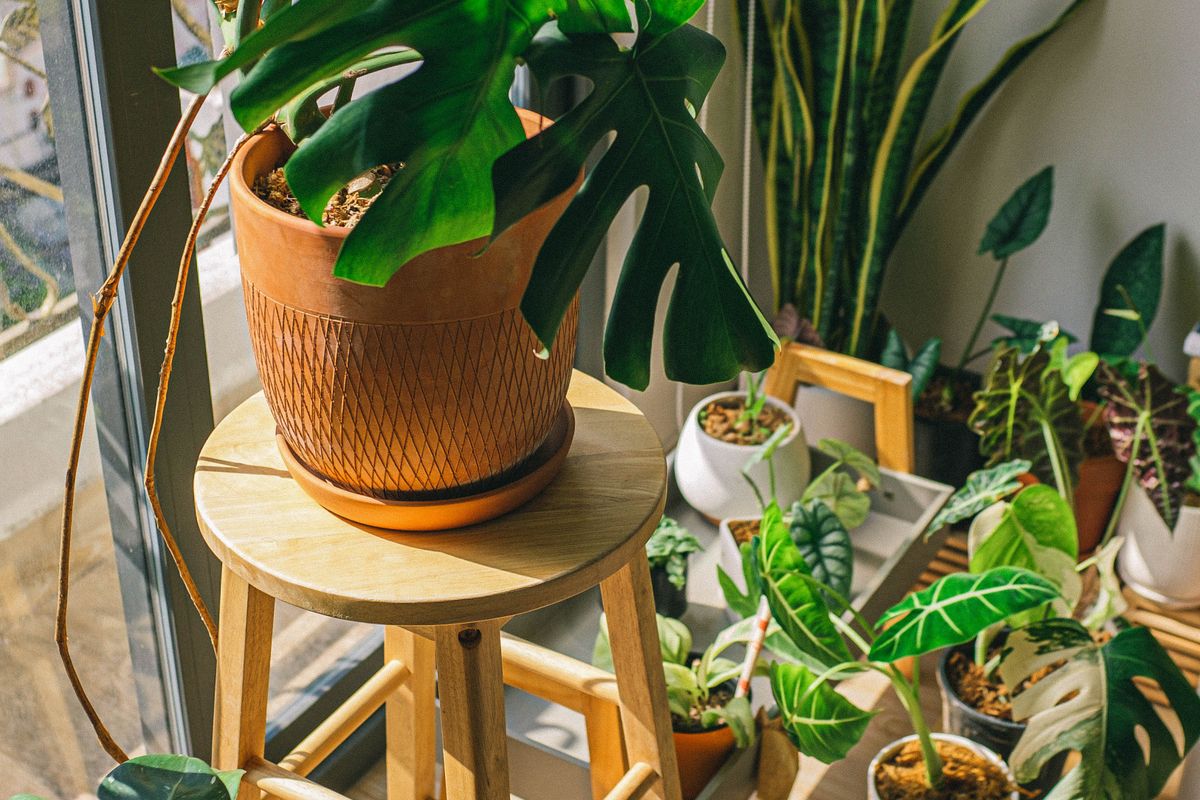
Allow the upper part of the mix to dry before watering thoroughly. Prune a healthy vine just above a node when you want to encourage a fuller shape.
Alive and thriving are different standards
A pothos can remain green in a position that gives it very little useful light. That tolerance is part of its appeal, but survival does not necessarily produce the full leafy vines seen in photographs. If the plant is making long stretches of bare stem and small new leaves, start by examining the location rather than reaching for fertilizer.
Useful indirect daylight supports better growth. A position near a window with softened strong sun is often a more promising starting point than a shelf across the room. The exact arrangement depends on climate, window direction, nearby buildings and how hot the glass becomes. Look at the light on the leaves over the day rather than judging the room from the doorway.
Keep the plant’s history in mind. A pothos recently moved from a dim shop may need gradual exposure to a brighter position. Strong direct afternoon sun can scorch an unacclimated plant even when its new room otherwise seems suitable.
Find the roots beneath the display
Pothos is often sold as a dense pot containing several rooted stems. Over time those stems can compete for space, while the display hides the condition of the mix below. Move trailing vines carefully aside so you can inspect the compost and drainage without pulling on them.
A draining inner pot inside a decorative container is convenient, provided you empty runoff. The outer pot should not become a hidden reservoir. Check the base after watering, especially if the two pots fit tightly and water is difficult to see from above.
Repot only when there is a reason: a crowded root ball, poor water penetration, deteriorated mix or a drainage problem. A modest increase in container size is easier to manage than a large jump. Fresh wet compost around a relatively small root system can remain saturated for too long.
Water according to the root zone
Let the upper portion of the mix dry before watering, while avoiding a repeated cycle of extreme drought and rescue. Check below the surface and lift the pot if it is manageable. A light pot and dry upper root zone give stronger evidence than the date of the last watering.
When water is needed, apply it slowly across the surface and allow excess to drain. If the mix has become very dry and water races along the pot wall, pause and repeat gently so the center has a chance to rehydrate. Do not leave the container standing in a deep saucer afterwards.
Yellow leaves alone do not identify a watering problem. Older leaves can be shed naturally, while persistent wetness, dry roots, low light and other stresses can produce overlapping symptoms. Look for the pattern: one old leaf is a different situation from several leaves yellowing while the compost remains wet.
Decide whether the vine will trail or climb
A trailing plant needs a stable shelf and space for vines to hang without catching on doors or clothing. A climbing plant needs a secure support installed before stems become awkward to manage. Either arrangement can work; choose one that allows watering and leaf inspection.
When training a vine, guide the main stem with loose soft ties. Do not fasten leaf stalks tightly or force an established bend straight in one movement. Check ties as the stem thickens and remove anything that begins to cut into tissue.
A support is not a substitute for light. A poorly lit plant attached to an expensive pole can still produce sparse growth. Larger mature foliage depends on several conditions, including a suitable climbing habit, enough useful light and a healthy root system. Treat dramatic online examples as possibilities rather than a timetable.
Prune at a node for a fuller shape
A node is the junction where a leaf and potential roots or shoots arise from the stem. When shortening a healthy vine, cut just above a suitable node on the part you are keeping. Leave enough healthy leaves for the plant to continue supporting itself.
A long bare vine can be reduced in stages rather than removed all at once. New branching takes time and is more likely to develop usefully when light and root conditions are already good. Pruning a struggling plant without correcting its environment may leave a shorter struggling plant.
Clean scissors before use and remove damaged material without tearing the stem. Decide where the remaining growth should sit before making the cut. This avoids repeatedly trimming the same plant because the first cut did not fit the space.
Root cuttings that contain actual growing points
A leaf with a stalk but no stem node is not the same as a viable vine cutting. Choose healthy stem sections containing a node and remove any leaf that would sit below the water line or inside the rooting mix. Keep the cutting small enough to support while roots develop.
Water propagation makes root development visible, while a suitable moist propagation mix avoids a later transition from water roots to potting conditions. Both methods require clean containers, appropriate light and patience. Do not crowd a jar with so many pieces that leaves are submerged and stems are difficult to inspect.
Once roots are sufficiently developed, pot the cutting into a small draining container and keep moisture even during establishment. Avoid treating a newly potted cutting like a mature drought-tolerant plant. It has a limited root system and needs a gentler transition.
Read the newest leaves
The newest leaves show how the current setup is working. Compare their size, spacing and condition with the preceding section of vine. A marked change can reveal a shift in light, root health or general growing conditions. Record when you moved or repotted the plant so the comparison has context.
Variegated pothos cultivars differ naturally in their markings. Do not assume that every green leaf proves a problem, or that a highly patterned photograph represents the normal appearance of every plant sold under the same common name. Identify the cultivar where possible.
Brown or torn patches on old foliage will remain. Once damage has stopped spreading, the useful question is whether new leaves emerge normally. Repeatedly changing care in an attempt to repair an old scar makes the plant’s present response harder to judge.
A quick pest inspection while watering
Look at leaf undersides, stem joints and the points where vines touch supports. Sticky residue, fine webbing or small attached bumps deserve closer examination. Isolate an affected plant where practical and identify the problem before choosing a treatment.
Wiping dust from smooth leaves with a damp soft cloth also creates an opportunity to inspect them. Support the leaf from beneath and avoid oils or household polish. These products can leave residue and do not solve the growing conditions behind weak foliage.
Keep new purchases separate from the established collection during repeated checks. A plant can look clean on the day of purchase while pests remain hidden. Do not immediately weave a new vine through an existing group of plants where later separation would be difficult.
Feed growth rather than forcing it
Use a suitable houseplant fertilizer according to its label while the plant is actively growing. More fertilizer does not replace missing light, repair rotted roots or turn a sparse winter vine into a lush summer plant overnight. Avoid feeding a severely dry or waterlogged root ball as a rescue response.
If growth slows during darker or cooler conditions, watering and feeding often need to slow too. Observe the plant and mix rather than continuing a summer routine unchanged. In a consistently warm well-lit growing environment, the seasonal pattern may be less pronounced.
Occasional mineral buildup can appear as a crust on the mix or pot. Consider the water source, fertilizer use and drainage together. Do not keep increasing the dose when growth is poor; investigate why the plant is not using the resources already supplied.
Choose a safe permanent place
Pothos tissue is harmful if chewed and its sap can irritate. Keep the plant, cuttings and fallen leaves away from pets and young children. A high shelf is helpful only if trailing vines do not reach an accessible surface.
Secure the pot against being pulled down by a vine. Keep it clear of electrical equipment, hot appliances and frequently opened doors. When the plant outgrows the arrangement, prune or retrain it before it becomes an obstacle.
The aim is a plant that is easy to inspect and pleasant to live with. Good indirect light, a root zone that drains and a shape that fits the room do most of the work. A modest healthy pothos is a better result than an oversized tangled specimen that can no longer be watered safely.
A bare vine is a record of earlier conditions
A length of stem that has already lost leaves may remain bare even after the plant receives better light. Do not judge the new arrangement solely by that old section. Look at fresh growth beyond it and any side shoots that form after appropriate pruning.
If the appearance matters, shorten the vine in stages or root healthy node-containing cuttings to build a fuller pot. Keep the established plant’s root health in mind before adding many new pieces. A crowded wet pot is not improved simply by hiding the surface beneath more leaves.
Choose fullness through healthy branching and sensible propagation rather than winding an extremely long vine repeatedly around the same support. That can make individual stems hard to inspect and later disentangle. A clear structure is easier to keep healthy and easier to prune when it reaches the limits of the room.
Further reading
Use these independent resources to explore the subject and check guidance for your location.