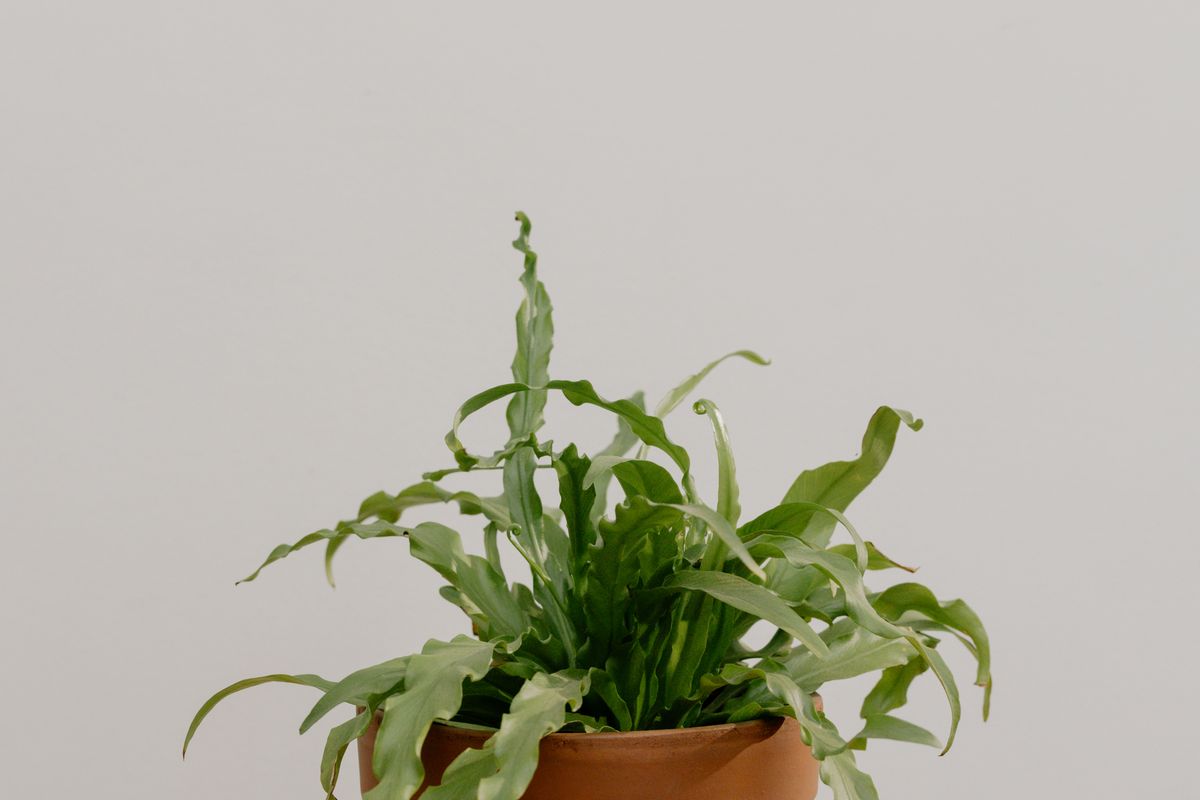
Monstera Supports That Work With the Plant
Choose a stable support, identify climbing growth, and attach a monstera without restricting leaf stalks or damaging the main stem.
Updated
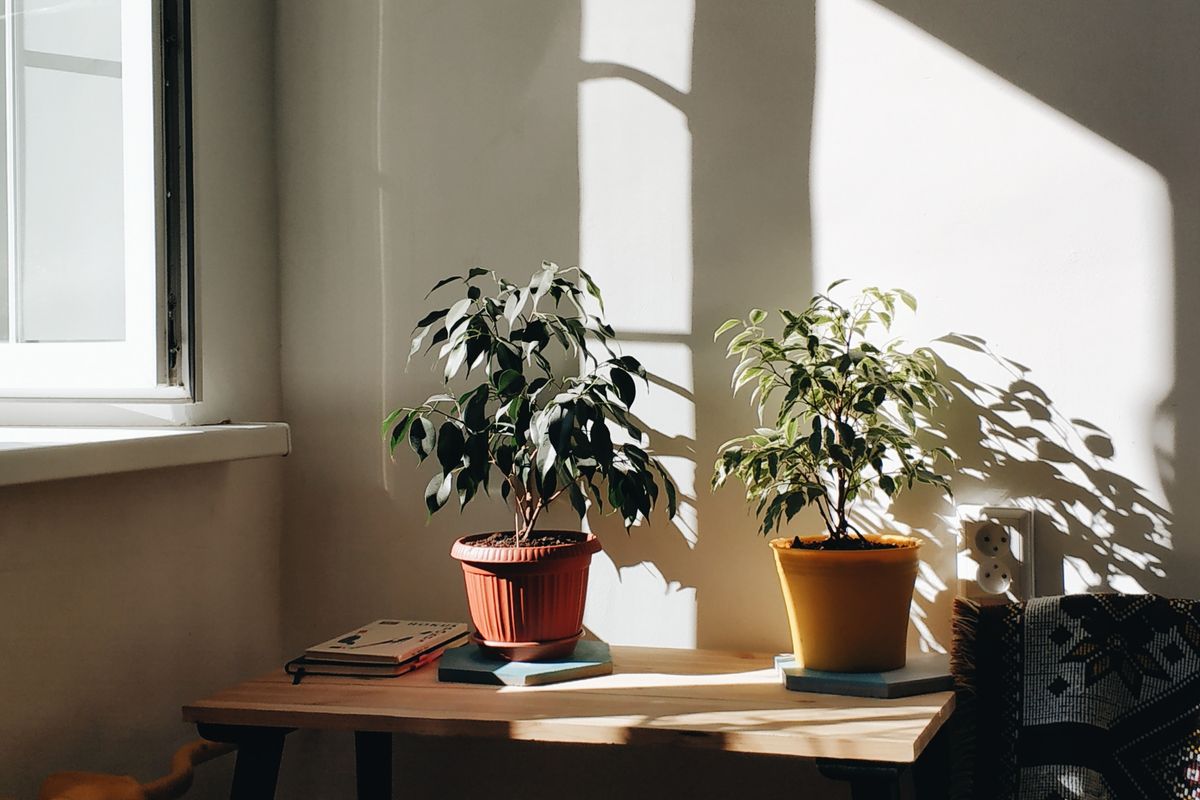
Secure the stem with soft loose ties and keep aerial roots directed toward the support or pot where practical. Recheck ties during growth.
Understand what is actually climbing
Monstera deliciosa develops a main stem with leaves attached by long flexible stalks. As it matures, the stem seeks support and produces aerial roots. A good support works with that structure instead of trying to hold every leaf in a fixed decorative position.
Find the main stem before buying ties or bending anything. Follow the sequence of nodes and locate the aerial roots. The leaf stalks need room to move as foliage orients toward light, so they are not the right places to fasten tightly.
A young compact plant can hide this distinction because the stem is short. Look closely now, while the structure is easy to inspect. Planning the climbing direction early is simpler than persuading a large mature vine to reverse a curve it has already established.
Choose a permanent place with enough room
A monstera can become broad as well as tall. Allow space for leaves, access for watering and a safe route around the pot. The best-looking corner on purchase day may become awkward when a new leaf opens across a doorway.
Provide useful indirect daylight and protect an unacclimated plant from sudden intense direct sun. A support cannot compensate for a dim position. Long sparse growth may become harder to manage even when it is tied neatly to a pole.
Check the floor and container arrangement too. A large plant can make a narrow lightweight pot unstable, particularly when foliage extends toward the light. A stable outer pot or stand should still allow you to inspect drainage and remove collected runoff.
Match the support to the growing habit
A sturdy stake, board or purpose-made climbing pole can provide mechanical support. Materials that offer a suitable surface may also allow aerial roots to attach, depending on moisture and growing conditions. Choose according to what you can maintain rather than assuming one fashionable material suits every home.
A pole that requires frequent moistening is a commitment. If it is left dry, it may still function as a stake, but it should not be expected to behave exactly like an actively maintained rooting surface. Keep expectations separate from the product photograph.
Height and stability matter more than ornament. A thin support driven shallowly into loose compost may wobble as the plant gains weight. Consider whether the support can be extended and whether the pot provides enough anchoring for the eventual plant.
Install before the stems become heavy
The easiest time to add a support is often during appropriate repotting, when you can see the root ball and avoid blindly forcing a pole through it. For an established pot, insert carefully at a suitable point and stop if substantial resistance suggests major roots.
Do not bury the plant deeper to gain stability. Maintain the previous planting depth and stabilize the support itself. If the container is too small or light to hold the arrangement safely, solve that structural issue rather than adding tighter ties.
After installation, test the support gently while holding the pot steady. It should not rock independently with every small movement. Keep the plant away from busy walkways while you assess the arrangement, because a light accidental pull can become a large force at the top.
Guide the stem with loose ties
Use a soft tie around the main stem and support, leaving room for expansion. Place ties where they guide rather than crush. Avoid fastening the stalk of an individual leaf tightly against the pole; it needs freedom to reposition.
Work gradually with stems that have already curved away from the support. Trying to pull a rigid mature section straight in one afternoon can split or snap it. Guide newer flexible growth and accept some existing shape rather than pursuing a perfectly vertical result at any cost.
Check ties during normal care. A tie that was loose at installation may tighten as the stem grows. Remove or reposition it before it cuts into tissue. Where a stem rests naturally against the support, extra ties may add little benefit.
Give aerial roots somewhere sensible to go
Aerial roots are a normal part of the plant’s climbing habit. They are not evidence that the plant is escaping because its pot is wrong. Direct flexible roots toward a suitable support or down toward the pot where practical, without sharply bending them.
Do not force a thick rigid root into a narrow gap. It may be better to leave it in a safe position and guide the next developing root earlier. Keep roots from attaching to vulnerable walls or entering places where later removal would be difficult.
If pruning a root becomes necessary for access or safety, use clean tools and research the implications for the plant’s overall structure. Avoid cutting all aerial roots simply to make the plant look tidier. They have a function beyond the appearance of the display.
Leaf splits are not a support guarantee
Young monstera leaves may be relatively simple, while mature plants in suitable conditions can develop more divisions and holes. Maturity, useful light, overall vigor and growing habit all influence the result. Installing a pole is not a promise that the next leaf will resemble a giant greenhouse specimen.
Watch the sequence of new leaves instead. Is growth healthy, reasonably sized and supported by firm stems? Does the plant receive enough light without repeated scorch? These are more useful questions than counting holes on an individual leaf.
Avoid repeatedly moving the plant in pursuit of a particular shape. New foliage takes time to develop, and a leaf that formed under earlier conditions reflects that history. Make a considered adjustment, record it and assess later growth.
Water the roots, not the photograph
A large leafy plant may use substantial water during active growth, but its needs still depend on light, temperature, pot size and mix. Check the root zone before watering and allow excess to drain. Do not assume that a large leaf automatically means a daily drink.
A decorative container can hide standing water around the inner pot. Lift or inspect the inner container after watering. If the support makes removal difficult, design another safe way to check the base rather than ignoring it.
When repotting to accommodate the support, choose a sensible increase in size and learn the new drying pattern. Fresh mix around the root ball may remain damp longer than the old root-filled pot. Support installation should not create a prolonged wet-root problem.
Clean leaves while checking their undersides
Large smooth leaves collect visible dust. Support each leaf from beneath and wipe gently with a damp soft cloth. Rinse the cloth frequently so grit is not dragged across the surface. There is no need for oil, polish or a shine product.
Use the opportunity to inspect undersides, petiole junctions and the areas near ties. Sticky residue, webbing or attached bumps require a closer pest check. Identify a problem before choosing treatment, and separate affected plants where practical.
Keep the support and pot rim free of loose dead material. Dense arrangements can conceal fallen leaves and spills. A few minutes of access-friendly maintenance are more useful than allowing the plant to become an inaccessible tower that is inspected only when a leaf collapses.
Plan the next stage before it arrives
Decide how much height and width the room can accommodate. If the plant approaches that limit, consider careful pruning, a different location or propagation from healthy suitable growth. Do not wait until the support touches a ceiling or the foliage blocks the only practical route to the window.
Monstera tissue is harmful if chewed and sap can irritate skin. Wear gloves when cutting and keep trimmings away from pets and children. Secure the pot so an accessible leaf or root cannot easily pull it over.
The aim is a stable plant with room to grow and a routine you can carry out safely. A little asymmetry is normal. Working with the stem, light and available space usually produces a better long-term result than tying every leaf into a rigid arrangement.
A supported plant still needs a workable watering route
Before fastening the last tie, imagine the next thorough watering. Can you reach the mix without pouring over electrical equipment? Can runoff be collected and inspected? Can the pot be moved safely if it must be cleaned underneath? A support that blocks every practical movement may solve one problem while creating another.
For a large specimen, a stable saucer and suitable plant trolley can improve access, provided the combined arrangement is rated for the watered weight and remains secure. Do not depend on an unstable stack of small stands. Check wheels and clear the route before moving a heavy plant.
If the plant cannot be lifted, use a safe method of removing collected runoff and inspect the base with appropriate access. The important point is that excess water does not remain hidden indefinitely simply because the foliage and support make the pot inconvenient.
Reassess after each substantial growth period
New leaves add weight and can extend toward the window beyond the support. Check the pot’s balance, tie positions and space around the plant after several new leaves develop. A gradual lean is easier to correct early than after the entire arrangement becomes unstable. Guide new flexible growth rather than forcing old rigid stems into an idealized shape.
Keep a record of the structure
Take an occasional photograph from the same side of the plant, including the pot and support. It helps reveal a gradual lean that is easy to miss while looking at individual leaves. Mark the date of a support extension or major retraining so later growth can be compared with the previous arrangement.
Further reading
Use these independent resources to explore the subject and check guidance for your location.