Snake Plant Care: The Quiet Problem of Wet Roots
Understand the slow drying and hidden root problems behind many snake plant failures, with practical checks for light, pots, and watering.
Updated
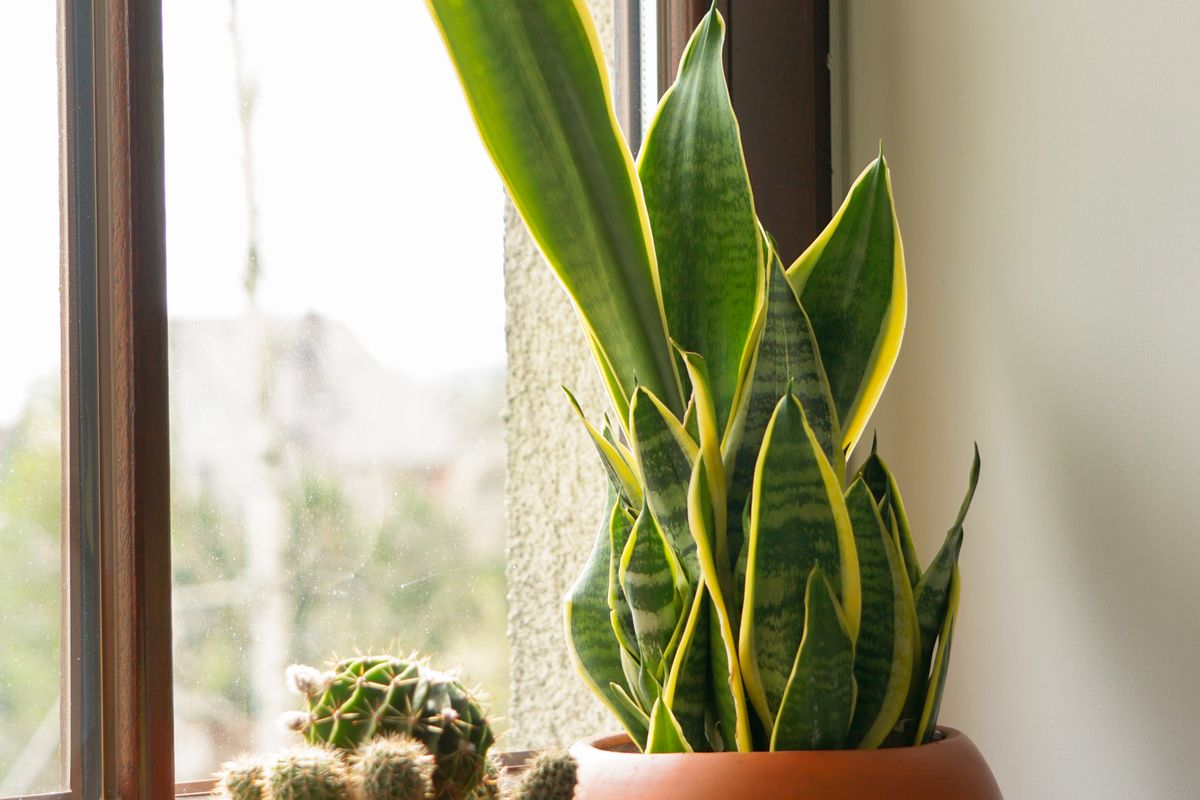
Let the mix dry substantially between waterings, then water fully and drain. Check the plant more often than you actually water it.
Start with the plant’s slow pace
Snake plants store water in substantial leaves and often grow slowly indoors. Their upright shape can remain unchanged for weeks, which makes them seem almost maintenance-free. That appearance is useful, but it can hide a root zone that stays wet long after it should have begun drying.
The most important habit is to check the pot before adding water. A plant that looks exactly as it did last week may still have plenty of moisture around its roots. Repeated drinks given for reassurance can gradually turn an easy plant into a difficult recovery project.
Treat slow growth as information rather than an emergency. Light, warmth, root condition and the plant’s natural pace all affect development. Extra fertilizer or a larger pot will not reliably accelerate a plant that lacks enough useful light.
Low-light tolerance has limits
A snake plant can tolerate dimmer conditions than many flowering houseplants, but it still needs light. A bright position with appropriate protection from suddenly intense sun generally offers better growth than a deep interior corner. Consider the light reaching the leaves, not the brightness of the ceiling fixture.
In low light, the plant commonly uses water more slowly. This connection matters because a watering routine copied from a sunny room may be excessive in a shaded one. The plant’s tolerance of one difficult condition does not remove the effect that condition has on root moisture.
If you move it into stronger light, increase exposure gradually. A plant acclimated to shade may scorch if placed immediately against hot glass. Watch the newest growth over time; existing pale or damaged areas do not reverse simply because the new location is better.
The pot needs an exit for excess water
Choose a container with open drainage holes. If you prefer the appearance of a holeless decorative vessel, use it as an outer pot around a draining inner container. Lift the inner pot after watering to check that runoff is not collecting beneath it.
A layer of gravel in the bottom does not create an exit from a sealed vessel. Water can still remain in the root zone, and the amount is difficult to judge from above. A straightforward draining arrangement is easier to manage than trying to calculate the exact small dose a closed pot might tolerate.
Stable proportions matter too. Tall leaves can make a narrow lightweight container top-heavy. Use a pot that supports the plant safely while avoiding unnecessary extra compost around the roots. The decorative weight of an outer container should not conceal a saturated inner pot.
Choose mix for air as well as water
A suitable free-draining mix allows excess water to leave while retaining enough moisture for roots to use. A dense compacted mix that stays wet for a very long time is a poor match for a snake plant, especially in a cool room. Commercial succulent mixes vary, so inspect their texture rather than relying only on the name.
Adding a small amount of gritty material to a very dense mix may not transform its overall behavior. Use a reliable formulation intended for the plant and your growing conditions. Avoid improvised garden soil in an indoor container where compaction and drainage are difficult to control.
Mix and pot material work together. Terracotta can allow faster drying than glazed ceramic or plastic, but the difference is not a watering schedule by itself. Container size, root density, light and temperature still determine how long moisture remains available.
How dry is dry enough?
Allow the mix to dry substantially before watering again. Check deeper than the top layer, because the surface can look dry while the lower portion remains damp. Lift the pot if it is manageable and learn the difference between its watered and drier weights.
A probe can provide another clue, but use it gently and consistently. Cheap moisture meters are affected by soil composition and mineral content; a number should not override an obviously wet heavy pot. Combine the reading with observation rather than outsourcing the decision to the tool.
There is no universal number of days. A plant in a small pot beside a bright warm window can dry far sooner than one in a large glazed container in winter shade. Begin checking when appropriate, then wait if the root zone has not reached the plant’s preferred condition.
Water fully when water is actually needed
Once the plant needs water, apply it slowly over the mix and allow excess to drain. Avoid pouring into the tight spaces where leaves join if water is likely to remain trapped. Empty the saucer or outer pot after drainage is complete.
Tiny frequent splashes can maintain a damp patch while leaving other parts of the root ball dry. They also make it harder to learn the pot’s drying behavior. A clear cycle of appropriate watering and substantial drying gives more useful feedback.
If the mix has become extremely dry and resists water, apply it in several gentle passes. Check that the center has absorbed moisture rather than watching runoff alone. Do not leave the pot submerged for an indefinite period in an attempt to compensate for past neglect.
Soft bases deserve prompt attention
A leaf that becomes soft, collapses at the base or develops a wet-looking dark area may indicate rot. Check the mix and drainage promptly. An upright neighboring leaf does not rule out a problem elsewhere in the same crowded clump.
If the pot is persistently wet and the plant is deteriorating, careful root inspection may be necessary. Healthy firm tissue should be distinguished from soft decaying tissue. Use clean tools, remove seriously affected material and seek species-specific advice if the extent of damage is unclear.
Do not respond to a soft plant by watering again merely because it looks weak. Damaged roots may be unable to absorb water already present. Correct the source of prolonged wetness and understand that recovery depends on how much healthy tissue remains; it cannot be guaranteed.
Repot for a reason, not for a dramatic reveal
A snake plant does not need an enormous new container simply because it has been in the same pot for a while. Consider repotting when roots and new shoots are genuinely crowding the container, the mix has deteriorated or drainage has become difficult.
Choose a modest increase in size and maintain the previous planting depth. Handle the leaves by supporting the root ball rather than pulling the plant out by the foliage. A tightly packed clump may need patience to release without tearing roots.
After repotting, learn the new drying pattern. Fresh mix occupies more space than the old roots and may hold moisture longer. Keep the plant in suitable stable conditions and avoid combining the disturbance with a sudden move into intense sun.
Division and cuttings are different projects
A mature clump can sometimes be divided into rooted sections, each retaining healthy leaves and roots. This creates a plant with an established root system, although it still needs time to recover. Use clean tools and avoid dividing merely to produce more pots than you can accommodate.
Leaf cuttings are another method, but they require patience and may not preserve the variegation of some cultivars. Learn the correct orientation and method before cutting. A piece placed upside down or kept continually wet is unlikely to reward the effort.
Keep propagation material labeled and separate from mature plants. The moisture needs of a developing cutting are not identical to those of an established clump. Do not use a propagation experiment as evidence that the main plant needs frequent watering.
Keep the leaves clean and the household safe
Dust smooth leaves gently with a damp cloth, supporting them so they do not crease. Do not bend leaves sharply or use polish to create an artificial shine. Broken or deeply creased tissue remains damaged, even if the rest of the plant is healthy.
Snake plants are harmful if chewed. Keep leaves, fallen pieces and propagation material away from children and pets. Store fertilizer safely and clean up pruning debris rather than leaving it on a table where it may be investigated.
A good routine is brief: inspect, check root-zone moisture, confirm drainage and leave the plant alone when nothing is needed. Over time, the quiet intervals become easier to trust. Healthy slow growth is a normal outcome, not a failure to provide enough attention.
Why an apparently generous pot can be unhelpful
Imagine a small clump moved from a snug nursery pot into a broad glazed container. The leaves may look perfectly proportioned to the new display, yet the roots still occupy only the original center. Fresh mix around them can remain wet while the plant continues using water at its previous slow rate.
If the location is also dim, the mismatch becomes greater. The solution is not necessarily a different fertilizer or a stricter monthly watering day. It may be a more appropriate pot size, a better-draining arrangement or a more useful light position. Evaluate those conditions together.
This does not mean keeping a plant permanently cramped. New shoots and a genuinely crowded root ball can justify repotting. It means choosing the container as part of the root environment rather than as a decorative scale decision alone.
A simple seasonal review
At the start of a darker or cooler period, inspect the usual position again. Check for cold glass, drafts and compost that now takes much longer to dry. Use those observations to adjust care before soft leaves appear. In a consistently warm well-lit growing environment, the change may be smaller, so do not impose winter neglect merely because the calendar changed.
Further reading
Use these independent resources to explore the subject and check guidance for your location.